


 English
 中文简体
中文简体1. Material Selection and Weather Resistance in Outdoor Furniture Choosing the right material is the...
READ MORECan metal energy storage cabinets improve the safety of energy storage systems?
Author: Admin
Date: Dec 01,2025
Content
- 1 How Metal Energy Storage Cabinets Enhance System Safety
- 2 Fire Resistance and Thermal Runaway Mitigation
- 3 Environmental Protection and Structural Durability
- 4 Improved System Organization and Component Isolation
- 5 Comparison of Metal Cabinets and Non-Metal Cabinets
- 6 Compliance, Monitoring, and Long-Term Operational Safety
- 7 Conclusion: A Safer Foundation for Modern Energy Storage
How Metal Energy Storage Cabinets Enhance System Safety
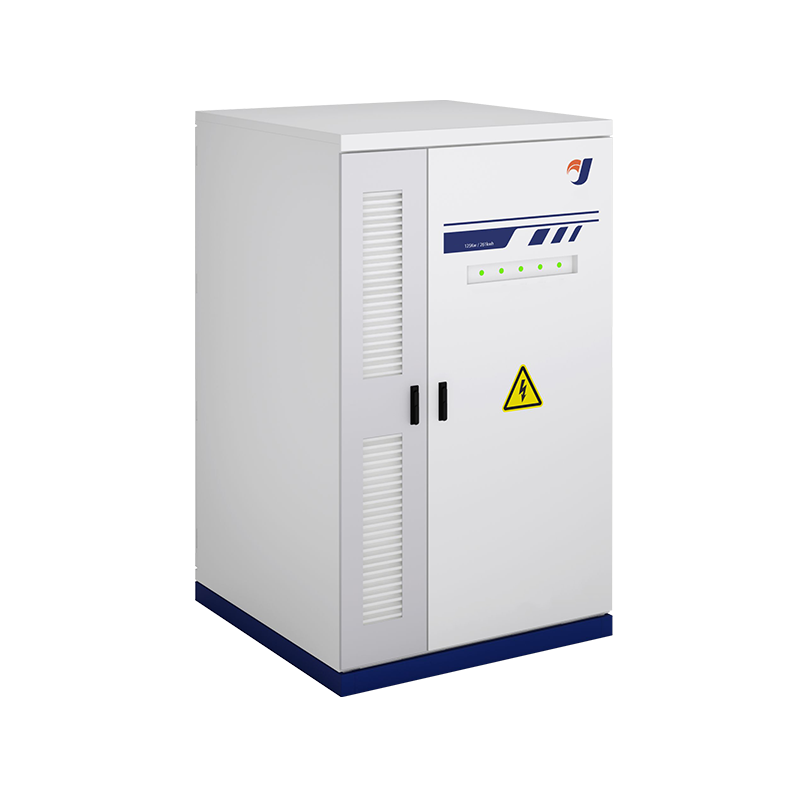
As energy storage systems continue to expand across residential, commercial, and industrial markets, safety has become one of the most frequently discussed priorities. Lithium-ion batteries deliver high energy density, but they also bring risks such as overheating, fire hazards, and potential electrical failures. Metal energy storage cabinets—engineered as protective enclosures—have emerged as one of the most effective ways to improve system reliability and minimize safety incidents. Their durability, fire-resistant properties, and structured internal layout make them far superior to traditional non-metal housings.
A well-designed metal cabinet does more than simply store battery modules. It manages heat, shields critical components from environmental hazards, helps contain thermal runaway, and contributes to regulatory compliance. In large-scale deployments, these cabinets also simplify maintenance and allow safer handling during operation. Understanding their safety advantages helps project developers, homeowners, and energy engineers make informed decisions when selecting storage infrastructures.
Fire Resistance and Thermal Runaway Mitigation
One of the biggest safety challenges in lithium-ion–based storage systems is thermal runaway, a chain reaction triggered by overheating or internal failure. Once initiated, temperatures can rise rapidly, generating flames or gas emissions. Metal energy storage cabinets are specifically built to address these concerns through their material properties and internal thermal controls.
High Melting Point Materials
Most metal storage cabinets use steel or aluminum alloys. These metals exhibit high melting points and excellent heat resistance, meaning the enclosure maintains structural integrity even under extreme temperatures. This significantly slows the spread of fire and provides critical time for emergency response or automated safety systems to activate.
Fire-Resistant Barriers and Insulation
Many metal cabinets incorporate layers of fire-resistant insulation, internal barriers, and heat-resistant coatings. These features help isolate battery modules, reduce heat transfer, and limit the possibility of flames escaping the enclosure. In commercial deployments, this can prevent fire from affecting adjacent systems or buildings.
Thermal Management System Integration
Metal cabinets often integrate more efficient heat dissipation due to their conductive properties. They can house cooling systems such as ventilation channels, heat sinks, or forced-air circulation. This helps maintain stable temperatures across battery modules and reduces the risk of localized hot spots that lead to thermal runaway.
Environmental Protection and Structural Durability
Outdoor and industrial energy storage applications require enclosures capable of withstanding harsh environmental conditions. Metal energy storage cabinets outperform plastic or composite alternatives in resisting external threats, thereby improving long-term safety and reliability.
Resistance to Weather, Corrosion, and Impact
Steel and aluminum housings provide excellent resistance to UV exposure, rain, hail, and debris impact. Anti-rust coatings and powder finishes further extend their service life. This ensures that critical electrical components remain protected even when installed in coastal regions, industrial sites, or areas with high temperature swings.
Enhanced Mechanical Strength
Strong metal structures prevent physical deformation, intrusion, or accidental punctures that could expose batteries. This robust construction supports safe stacking, lifting, and transportation—important for modular or containerized storage solutions used in utility-scale projects.
Improved System Organization and Component Isolation
A well-organized internal layout is essential for safe energy storage operation. Metal cabinets provide structured compartments that separate electrical components, wiring, battery modules, and cooling systems. This controlled layout not only reduces hazards but also makes maintenance safer and more efficient.
Internal Partitioning and Cable Management
Partitioning helps prevent electrical shorts and reduces the risk of damage caused by loose or overheated cables. It also ensures that sensitive components do not interfere with each other, preserving the stability of the entire system.
Standardized Mounting and Access Points
Metal energy storage cabinets are typically designed to accommodate standardized battery racks, BMS units, protection relays, and control boards. Organized mounting improves airflow and makes emergency shutdown procedures easier to perform.
- Safer installation due to clear component placement
- Reduced risk of wiring errors
- Easier inspection and troubleshooting
Comparison of Metal Cabinets and Non-Metal Cabinets
To better understand why metal energy storage cabinets are considered safer, it helps to compare them with common non-metal materials such as plastics or composite housings. The following table highlights the differences across major safety factors.
| Feature | Metal Cabinets | Non-Metal Cabinets |
| Fire Resistance | Excellent | Poor to Moderate |
| Impact Strength | High | Low to Medium |
| Heat Dissipation | Strong | Weak |
| Environmental Protection | High Durability | Limited Durability |
Compliance, Monitoring, and Long-Term Operational Safety
Safety standards and certifications play a crucial role in the global energy storage industry. Metal cabinets are typically designed to support compliance with UL, IEC, CE, and other regional requirements. Their structural strength and fire performance help manufacturers meet stringent testing parameters related to thermal safety, ingress protection, and mechanical stress.
Additionally, metal energy storage cabinets are ideal for integrating advanced monitoring technologies. Sensors for temperature, humidity, smoke, and voltage can be installed securely within the enclosure. This real-time monitoring capability enables operators to detect anomalies early and take preventive action before faults escalate.
Beyond the technical aspects, the long service life of metal cabinets contributes directly to system safety. Their durability reduces the need for frequent replacements, lowering the risk of installation errors or structural failures over time. In high-capacity storage farms or microgrid systems, this long-term reliability has significant implications for operational stability.
Conclusion: A Safer Foundation for Modern Energy Storage
Metal energy storage cabinets improve safety by offering superior fire resistance, environmental protection, structural integrity, and internal organization. Their ability to support compliant installations and advanced monitoring systems makes them a dependable choice for both residential and large-scale energy projects. As global energy storage continues to expand, the protective role of metal cabinets will remain essential for ensuring secure, efficient, and long-lasting performance.

Contact Us Now
News
LET’S BUILD YOUR CUSTOMIZED PRODUCT

Copyright ©Zhejiang Jiangnan Outdoor Products Co., Ltd.All rights reserved.
