


 English
 中文简体
中文简体1. Material Selection and Weather Resistance in Outdoor Furniture Choosing the right material is the...
READ MOREHow Resistant Are Metal Safe Boxes to Drilling or Cutting?
Author: Admin
Date: Oct 24,2025
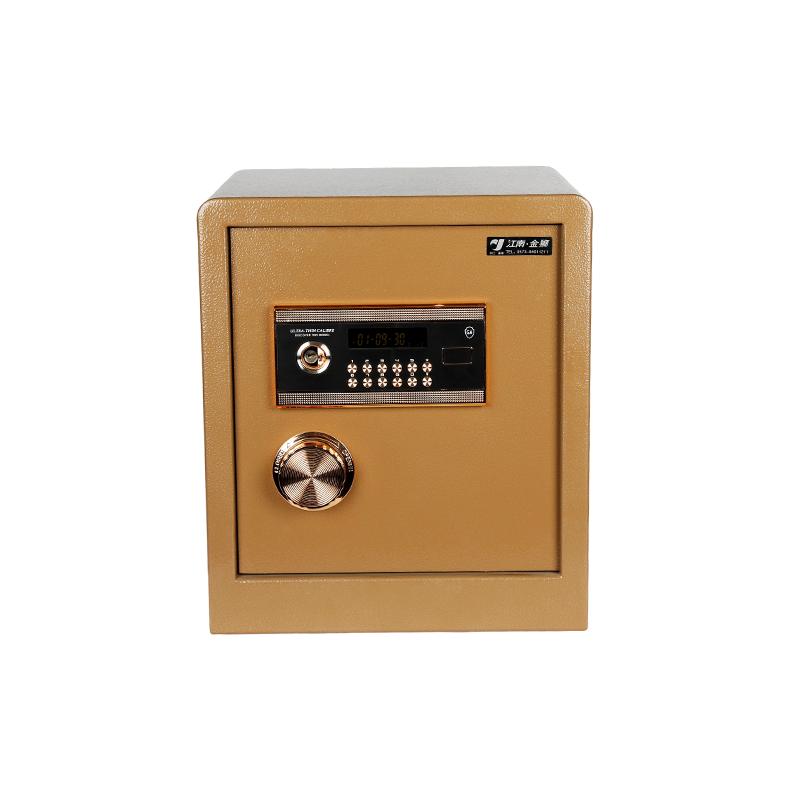
In today’s world, security is a pressing concern for individuals and businesses alike. From safeguarding important documents and valuables to storing firearms and sensitive digital devices, the demand for secure storage solutions has never been higher. Among these, metal safe boxes stand out as a reliable choice, thanks to their sturdy construction and ability to deter theft. However, one of the most common questions buyers ask is: How resistant are metal safe boxes to drilling or cutting? This article explores that question in depth, offering practical insights, technical details, and recommendations for selecting the right safe for your needs.
Content
Understanding the Basics of Metal Safe Boxes
Before diving into the specifics of resistance, it’s essential to understand what metal safe boxes are and how they are constructed. Most metal safe boxes are made from high-grade steel or steel alloys, which provide strength and rigidity. The thickness of the metal, often measured in millimeters, directly affects the safe’s ability to withstand tampering.
- Steel Type and Thickness: Common options include cold-rolled steel and hardened steel. While thinner steel may protect against casual tampering, thicker or reinforced steel is necessary to resist professional burglary attempts.
- Construction Quality: Welded seams, reinforced corners, and double-layered doors increase a safe’s overall strength. Poorly constructed safes, even if made of thick metal, can be vulnerable at weak points.
- Locking Mechanisms: A robust physical barrier is only as effective as the lock securing it. Combination locks, electronic keypads, and biometric systems provide different levels of resistance and may deter drilling attempts targeting the lock itself.
Resistance to Drilling
Drilling is one of the most common methods burglars use to compromise a safe. The technique involves using a drill to penetrate the metal or manipulate the locking mechanism. The resistance of a metal safe box to drilling depends on several factors:
1. Hardened Steel Components
Many high-quality safes include hardened steel plates, especially around the lock area. Hardened steel significantly slows down drilling attempts because ordinary drills struggle to penetrate it. Some premium safes even use manganese or composite steel layers for additional protection.
2. Anti-Drill Plates
Some metal safe boxes feature anti-drill plates or discs that protect the lock and critical areas. These plates are designed to damage drill bits or deflect them away from sensitive components, making unauthorized entry extremely difficult.
3. Lock Protection
Advanced safes often incorporate locks with internal anti-drill components, such as rotating discs or reinforced lock cages. These features make it challenging for intruders to reach the locking pins or bolts without specialized tools.
4. Realistic Expectations
While these protections significantly improve resistance, it is important to note that no safe is entirely drill-proof. Given enough time, the right equipment, and expertise, a determined intruder may succeed. Therefore, metal safe boxes are designed to delay attacks rather than make them impossible, giving owners time to respond or deterring casual theft attempts.
Resistance to Cutting
Cutting is another method that criminals may attempt, typically using saws, grinders, or torches to breach a safe. The effectiveness of metal safe boxes against cutting varies depending on the type and thickness of steel used.
1. Standard Steel vs. Reinforced Steel
Basic metal safe boxes with standard steel may resist hand tools like hacksaws for a short period but can eventually be cut through with power tools. Reinforced or multi-layered steel safes, especially those labeled “high-security,” offer far greater resistance and can withstand cutting attempts for significantly longer.
2. Composite or Laminated Construction
Some safes incorporate composite steel laminates or ceramic layers within the walls. These layers make cutting more difficult because they wear down cutting tools faster and generate heat-resistant surfaces that are challenging to breach.
3. Door and Bolt Protection
Cutting through a safe’s door is often more difficult than cutting the walls due to reinforced bolts, solid steel hinges, and complex locking mechanisms. Many safes also have internal relockers that activate if a cutting attempt is detected, further complicating forced entry.
4. Limitations
Despite these measures, extreme cutting tools such as oxy-acetylene torches or industrial saws can breach most metal safes. However, such attacks are noisy, time-consuming, and often impractical for casual burglars, which makes metal safe boxes highly effective for home and office protection.
Factors That Influence Overall Resistance
When evaluating a safe’s resistance to drilling or cutting, several factors should be considered:
- Thickness of Steel Walls: Thicker walls provide greater protection. A 2–3 mm wall may deter casual attempts, but 6–12 mm or more is recommended for high-security safes.
- Type of Lock: Mechanical combination locks may be more resistant to drilling in some cases, whereas electronic locks may be more vulnerable if the circuitry can be accessed.
- Positioning: A safe anchored to a wall or floor reduces the ability to maneuver cutting tools effectively.
- Certification: Independent testing organizations, such as UL (Underwriters Laboratories) or EN (European Norm), provide ratings that indicate how resistant a safe is to different types of attacks. Look for safes with a UL 1, 2, or TL-rated designation for proven resistance.
Tips for Maximizing Safe Security
-
Choose the Right Safe for Your Needs
Determine whether you need a safe primarily for document storage, cash, jewelry, firearms, or digital media. This will influence the thickness, lock type, and fireproofing requirements. -
Invest in Reinforced or High-Security Models
For high-value items, consider safes with hardened steel, composite layers, and advanced locking mechanisms. -
Proper Installation
Anchor the safe securely to a wall or floor. This prevents burglars from removing it entirely and attempting cutting or drilling in a more convenient location. -
Regular Maintenance
Check locks and hinges regularly. Lubricate moving parts to prevent wear, which can inadvertently make it easier for tampering attempts. -
Consider Multi-Layer Security
Metal safe boxes are one part of a broader security system. Combine with alarms, cameras, and restricted access areas for maximum protection.
Conclusion
Metal safe boxes provide a robust and practical solution for protecting valuables, documents, and sensitive items. While they are not completely impervious to drilling or cutting, modern safes are designed to resist, delay, and deter unauthorized attempts. By understanding the construction, materials, and lock mechanisms, buyers can make informed choices that balance cost, convenience, and security.
Ultimately, the effectiveness of a metal safe box is not only in its metal walls but also in proper installation, intelligent placement, and integration into an overall security strategy. When chosen wisely, metal safe boxes offer peace of mind, making them a worthwhile investment for homes, offices, and institutions seeking reliable protection against theft.

Contact Us Now
News
LET’S BUILD YOUR CUSTOMIZED PRODUCT

Copyright ©Zhejiang Jiangnan Outdoor Products Co., Ltd.All rights reserved.
