


 English
 中文简体
中文简体1. Material Selection and Weather Resistance in Outdoor Furniture Choosing the right material is the...
READ MOREElectrical Enclosure Cabinets: Selection, Protection & Best Practices
Author: Admin
Date: Apr 17,2026
Content
The Critical Role of Electrical Enclosure Cabinets in Industrial Safety
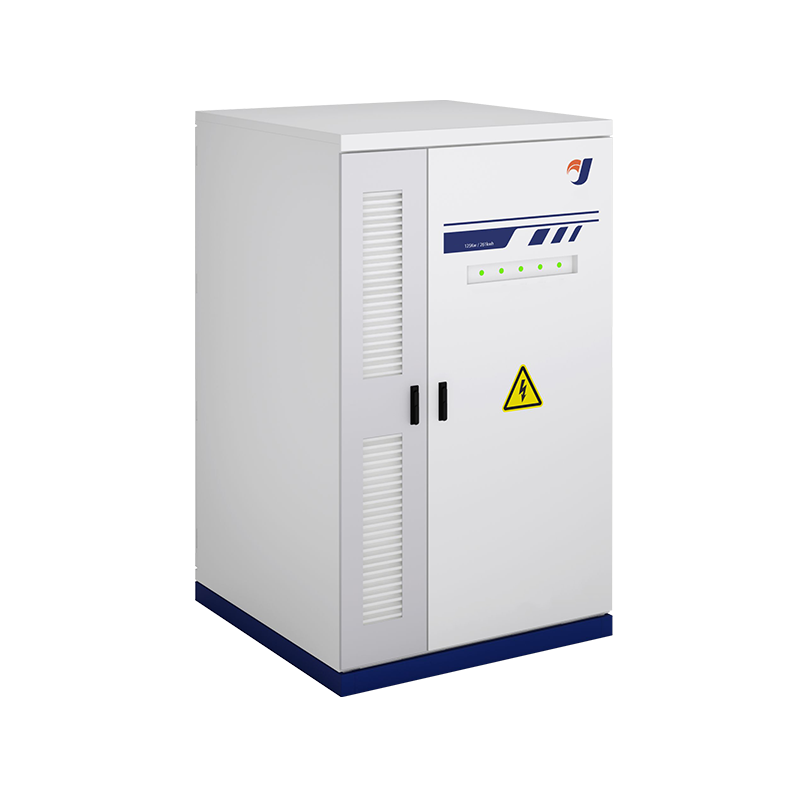
Electrical enclosure cabinets serve as the first line of defense for sensitive control systems, protecting vital components from environmental hazards, physical impact, and unauthorized access. Selecting the right enclosure is not merely a compliance issue but a strategic decision that directly impacts equipment longevity and operational uptime. A properly specified cabinet can extend the life of internal electronics by up to 50% by maintaining optimal thermal conditions and preventing corrosion. The core objective is to match the enclosure’s protection level with the specific demands of the installation environment, ensuring reliability without overspending on unnecessary features.
Understanding Protection Standards: IP and NEMA Ratings
Choosing the correct electrical enclosure cabinets requires a clear understanding of international protection standards. The two most common rating systems are Ingress Protection (IP) and National Electrical Manufacturers Association (NEMA). While they overlap, they are not identical, and misunderstanding them can lead to inadequate protection.
Ingress Protection (IP) Codes
IP ratings consist of two digits: the first indicates protection against solid objects (like dust), and the second against liquids (like water). For example, an IP65 rating means the enclosure is dust-tight and protected against low-pressure water jets from any direction. This level is suitable for most outdoor industrial applications where washdowns occur.
NEMA Classifications
NEMA ratings are more specific to North American standards and include additional criteria such as corrosion resistance and ice formation. NEMA 4X, for instance, offers protection similar to IP66 but also includes corrosion resistance, making it ideal for food processing or chemical plants. Unlike IP codes, NEMA ratings do not use a numerical scale for degrees of protection, so direct conversion requires careful reference to technical charts.
Material Selection for Durability and Cost-Efficiency
The material of an electrical enclosure cabinet determines its weight, strength, and resistance to environmental factors. The three most common materials are stainless steel, carbon steel, and polycarbonate.
| Material | Best Application | Corrosion Resistance | Cost Level |
|---|---|---|---|
| Stainless Steel (304/316) | Food, Pharma, Marine | Excellent | High |
| Carbon Steel (Painted) | General Industrial, Indoor | Moderate | Low |
| Polycarbonate/Plastic | Light Duty, Corrosive | High | Medium |
Thermal Management Strategies for Enclosures
Heat buildup is the leading cause of electronic failure within electrical enclosure cabinets. Effective thermal management is essential to maintain internal temperatures within the operating limits of PLCs, drives, and power supplies. The strategy depends on the heat load and the ambient temperature.
- Passive Cooling: Use heat exchangers or air-to-air coolers for sealed enclosures where dust and moisture must be kept out. These systems can reduce internal temperatures by 10-15°C above ambient.
- Active Cooling: Install air conditioners for high-heat loads or when the ambient temperature exceeds the maximum allowable internal temperature. This is critical for variable frequency drives (VFDs) generating significant waste heat.
- Ventilation Fans: Use filtered fans for non-hazardous, clean environments where the ambient air is cooler than the desired internal temperature. This is the most cost-effective solution but offers lower protection levels.
Installation and Maintenance Best Practices
Proper installation and regular maintenance ensure that electrical enclosure cabinets perform as intended throughout their lifecycle. Neglecting these aspects can void warranties and compromise safety.
During installation, ensure that the mounting surface is rigid and level to prevent door misalignment, which can break the seal. All conduit entries should be sealed with appropriate glands to maintain the IP rating. For maintenance, establish a quarterly inspection schedule that includes checking gasket integrity, cleaning air filters, and verifying that heating or cooling units are functioning correctly. Replace worn gaskets immediately, as even a small gap can allow moisture ingress, leading to catastrophic short circuits.

Contact Us Now
News
LET’S BUILD YOUR CUSTOMIZED PRODUCT

Copyright ©Zhejiang Jiangnan Outdoor Products Co., Ltd.All rights reserved.
