


 English
 中文简体
中文简体1. Material Selection and Weather Resistance in Outdoor Furniture Choosing the right material is the...
READ MOREEnergy Storage Cabinet Guide: Safety, Types & ROI Analysis
Author: Admin
Date: Jun 17,2026
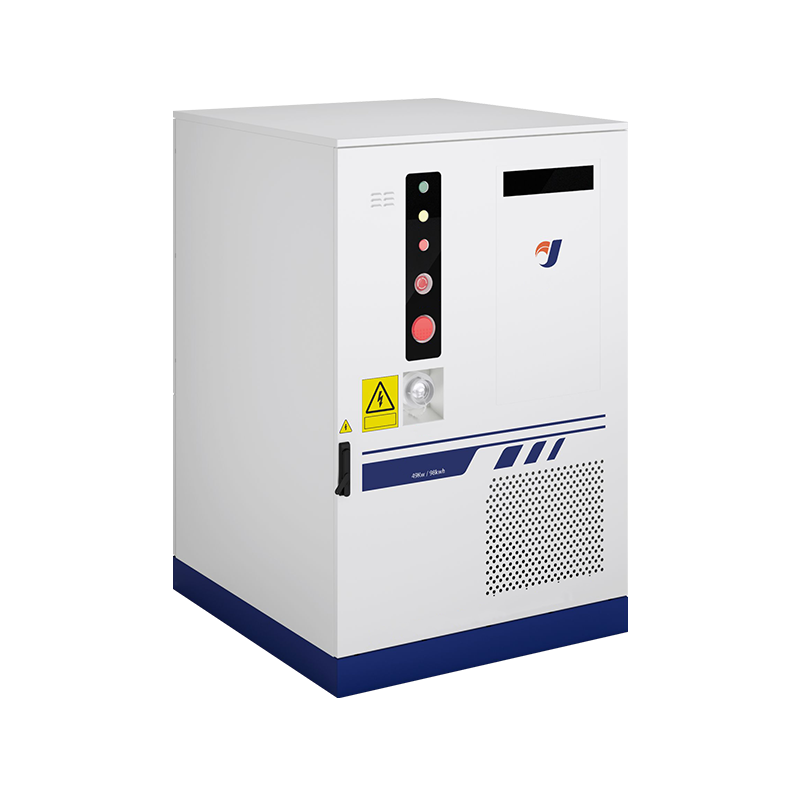
An energy storage cabinet is the cornerstone of modern decentralized power systems, providing a safe, integrated enclosure for battery modules, battery management systems (BMS), and thermal control units. Deploying a high-quality energy storage cabinet can reduce electricity costs by up to 30% through peak shaving and time-of-use arbitrage, while simultaneously offering critical backup power during grid outages. Unlike loose battery installations, these cabinets offer IP-rated protection against environmental factors and incorporate advanced fire suppression systems, making them the safest choice for residential, commercial, and industrial applications.
Content
Core Components and Architecture
Understanding the internal architecture of an energy storage cabinet is essential for evaluating its performance and longevity. It is not merely a box for batteries; it is a sophisticated electromechanical system.
Battery Modules and Chemistry
The heart of the cabinet is the battery pack, typically composed of Lithium Iron Phosphate (LFP) cells due to their superior thermal stability and cycle life. LFP batteries can endure over 6,000 charge-discharge cycles, significantly outlasting traditional NMC (Nickel Manganese Cobalt) variants. These cells are grouped into modules, which are then stacked within the cabinet to achieve the desired voltage and capacity ratings.
Battery Management System (BMS)
The BMS acts as the brain of the energy storage cabinet. It continuously monitors cell voltage, temperature, and current to prevent overcharging, deep discharging, and short circuits. A robust BMS ensures cell balancing, which maximizes the usable capacity of the battery pack and prevents premature degradation of individual cells. Advanced systems also communicate with external inverters and grid operators to optimize charging strategies.
Thermal Management Systems
Temperature control is critical for safety and efficiency. Modern energy storage cabinets utilize either air cooling or liquid cooling systems. Liquid cooling is increasingly preferred for large-scale cabinets as it maintains a more uniform temperature across all battery modules, reducing the risk of thermal runaway and extending battery life by up to 20% compared to air-cooled counterparts.
Safety Standards and Fire Protection
Safety is the primary concern when installing high-capacity lithium batteries. Energy storage cabinets are engineered with multiple layers of protection to mitigate risks.
Enclosure Ratings and Durability
Most outdoor-ready cabinets feature an IP54 or IP65 rating, ensuring they are dust-tight and protected against water jets. The enclosure is typically constructed from galvanized steel or aluminum alloy, providing structural integrity and resistance to corrosion. This robust construction allows the cabinet to operate in extreme temperatures ranging from -20°C to 50°C, making it suitable for diverse geographic locations.
Active Fire Suppression
In the event of a thermal incident, passive fire-resistant materials are not enough. Premium energy storage cabinets are equipped with active fire suppression systems, such as aerosol generators or perfluorohexone (Novec 1230) dispensers. These systems can detect smoke or rapid temperature rises within milliseconds and suppress fires before they spread, protecting both the asset and the surrounding property. Compliance with standards like UL 9540 and IEC 62619 is mandatory for reputable manufacturers.
Economic Benefits and ROI Analysis
Investing in an energy storage cabinet is a financial decision driven by tangible savings and revenue opportunities.
| Benefit Category | Mechanism | Estimated Impact |
|---|---|---|
| Peak Shaving | Discharging during high-demand periods | 10-20% reduction in demand charges |
| Time-of-Use Arbitrage | Charging at low rates, discharging at high rates | 15-30% savings on energy bills |
| Backup Power Value | Avoiding business interruption losses | Variable (High for critical ops) |
| Solar Self-Consumption | Storing excess solar for later use | Increases solar ROI by 20-40% |
For commercial users, the payback period for an energy storage cabinet typically ranges from 4 to 7 years, depending on local electricity tariffs and incentive programs. With battery lifespans exceeding 10 years, the system continues to generate pure savings for the remainder of its operational life.
Selection Criteria for Buyers
Choosing the right energy storage cabinet requires careful consideration of technical specifications and site requirements.
Capacity and Power Rating
Determine your energy needs by analyzing historical consumption data. Capacity (kWh) determines how long you can power your load, while power rating (kW) determines how much load you can run simultaneously. For backup purposes, size the cabinet to cover critical loads for at least 4-8 hours. For peak shaving, focus on high power output capabilities.
Scalability and Modularity
Business needs grow over time. Look for modular energy storage cabinets that allow for parallel connection. Modular designs enable you to start with a smaller capacity and add more battery racks as needed, protecting your initial investment and allowing for flexible expansion without replacing the entire system.
Integration and Smart Monitoring
Ensure the cabinet is compatible with your existing solar inverters and grid infrastructure. A user-friendly monitoring app is essential for real-time visibility into system health, state of charge, and energy flow. Remote diagnostics capabilities allow manufacturers to proactively address issues, minimizing downtime and maintenance costs.
Installation and Maintenance Best Practices
Proper installation and regular maintenance are vital for ensuring the safety and longevity of your energy storage cabinet.
- Site Preparation: Ensure the foundation is level and capable of supporting the cabinet's weight. Maintain adequate clearance around the unit for ventilation and service access.
- Professional Installation: Always use certified electricians for grid connection. Improper wiring can void warranties and create safety hazards.
- Routine Inspections: Schedule annual checks to inspect cable connections, clean air filters, and verify the functionality of the fire suppression system.
- Software Updates: Keep the BMS and monitoring firmware up to date to benefit from improved algorithms and security patches.

Contact Us Now
News
LET’S BUILD YOUR CUSTOMIZED PRODUCT

Copyright ©Zhejiang Jiangnan Outdoor Products Co., Ltd.All rights reserved.
