


 English
 中文简体
中文简体1. Material Selection and Weather Resistance in Outdoor Furniture Choosing the right material is the...
READ MOREExplore metal electrical equipment cabinets
Author: Admin
Date: Dec 19,2025
Content
- 1 Introduction to Metal Electrical Equipment Cabinets
- 2 Key Features of Metal Electrical Equipment Cabinets
- 3 Types of Metal Electrical Equipment Cabinets
- 4 Materials and Coatings for Enhanced Performance
- 5 Installation Best Practices
- 6 Maintenance and Safety Considerations
- 7 Comparative Features of Metal Electrical Cabinets
- 8 Conclusion
Introduction to Metal Electrical Equipment Cabinets
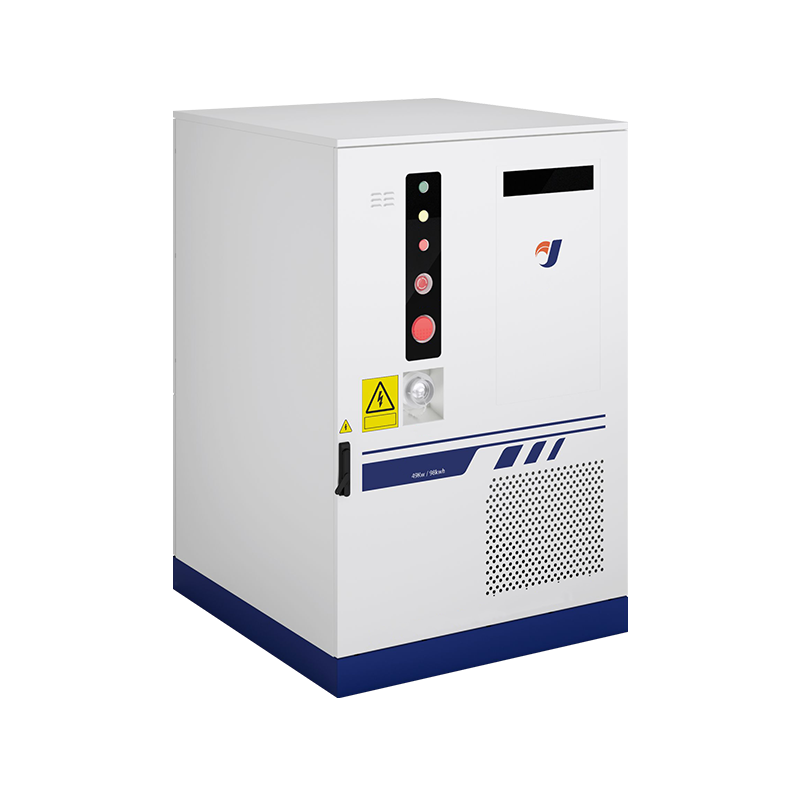
Metal electrical equipment cabinets are essential enclosures used to house electrical components, protecting them from environmental hazards and unauthorized access. They are widely utilized in industrial, commercial, and residential applications to ensure safety, organization, and efficient operation of electrical systems. These cabinets are typically constructed from steel or aluminum, offering durability, fire resistance, and mechanical strength, which are critical for safeguarding electrical infrastructure.
The use of metal cabinets extends beyond simple protection. They also play a vital role in heat dissipation, noise reduction, and electromagnetic shielding, ensuring that the enclosed equipment operates efficiently and reliably. Selecting the right metal cabinet involves understanding its features, types, installation requirements, and maintenance considerations.
Key Features of Metal Electrical Equipment Cabinets
Modern metal electrical cabinets are designed to meet stringent safety standards and operational requirements. Their key features include structural integrity, protection against environmental factors, and ease of access for maintenance and monitoring.
Durability and Mechanical Strength
Metal cabinets are highly durable, capable of withstanding impacts, vibrations, and mechanical stress. Steel cabinets, in particular, provide superior strength and are resistant to deformation, making them suitable for heavy-duty applications. Aluminum cabinets, while lighter, offer corrosion resistance and ease of handling without compromising structural stability.
Environmental Protection
These cabinets are designed to protect internal components from dust, moisture, and temperature variations. Many metal cabinets are rated according to IP (Ingress Protection) standards, ensuring reliable protection against water and dust ingress. This is especially critical in outdoor installations or industrial environments with high levels of particulate matter.
Safety and Security Features
Metal electrical cabinets are equipped with locking mechanisms, grounding options, and fire-resistant coatings to enhance safety. These features prevent unauthorized access, reduce the risk of electrical hazards, and minimize potential fire damage. Cabinets may also include internal cable management systems to organize wiring and reduce the risk of short circuits.
Types of Metal Electrical Equipment Cabinets
Selecting the appropriate type of cabinet depends on the application, size of the equipment, and environmental conditions. Below are the most common types used in the industry.
Wall-Mounted Cabinets
Wall-mounted cabinets are compact enclosures fixed directly to walls. They are suitable for housing smaller electrical panels, control devices, and communication equipment. Their design saves floor space and allows easy access for maintenance and inspections.
Floor-Standing Cabinets
Floor-standing cabinets are larger and provide ample space for complex electrical systems. They are ideal for industrial installations, data centers, and manufacturing plants. These cabinets often feature reinforced bases, adjustable shelves, and ventilation options to accommodate high-density equipment.
Outdoor Cabinets
Outdoor metal cabinets are designed to withstand harsh environmental conditions such as rain, wind, and extreme temperatures. They include weatherproof seals, corrosion-resistant coatings, and UV-resistant finishes. These cabinets are commonly used for traffic control systems, utility meters, and telecommunications equipment.
Materials and Coatings for Enhanced Performance
Material selection and surface treatment play a critical role in ensuring cabinet longevity, corrosion resistance, and aesthetic appeal.
Steel Cabinets
Steel is commonly used due to its high strength and cost-effectiveness. Galvanized or powder-coated steel provides additional corrosion resistance, making it suitable for both indoor and outdoor applications. Steel cabinets are also excellent for grounding and shielding against electromagnetic interference (EMI).
Aluminum Cabinets
Aluminum offers a lightweight alternative with superior corrosion resistance. Aluminum cabinets are easy to transport and install while maintaining adequate strength for most industrial and commercial applications. They are particularly effective in coastal or humid environments where corrosion is a major concern.
Surface Coatings
Coatings such as powder coating, epoxy paint, or anodized finishes enhance durability, aesthetics, and corrosion resistance. These coatings protect the metal from scratches, chemical exposure, and UV damage, extending the cabinet’s service life while maintaining a professional appearance.
Installation Best Practices
Proper installation is crucial for ensuring safety, accessibility, and long-term performance of metal electrical equipment cabinets. Following these best practices reduces maintenance issues and potential hazards.
- Ensure a stable and level mounting surface for floor-standing cabinets to prevent tipping or vibrations.
- Maintain adequate clearance around cabinets for ventilation and easy access.
- Use proper grounding techniques to prevent electrical shock and interference.
- Install cable management solutions to organize wiring and avoid stress on connectors.
- Verify environmental protection ratings, especially for outdoor cabinets exposed to weather.
Maintenance and Safety Considerations
Routine maintenance ensures that metal electrical cabinets continue to provide protection and reliability. Key practices include cleaning, inspection, and component testing.
Regular Cleaning
Dust, debris, and moisture should be removed from both the exterior and interior of cabinets. Proper cleaning prevents corrosion, overheating, and potential fire hazards.
Inspection and Component Checks
Inspect hinges, locks, seals, and mounting brackets regularly. Check electrical connections, cable integrity, and grounding to detect early signs of wear or damage.
Upgrading for Efficiency
Consider adding ventilation fans, thermal insulation, or modular shelves to improve airflow, heat dissipation, and equipment organization. Upgrades enhance the cabinet’s performance and extend the lifespan of housed electrical components.
Comparative Features of Metal Electrical Cabinets
The following table highlights key differences between steel and aluminum cabinets in terms of performance and application suitability.
| Feature | Steel Cabinets | Aluminum Cabinets |
|---|---|---|
| Weight | Heavier, more stable | Lightweight, easier to install |
| Corrosion Resistance | Moderate, requires coating | High, natural resistance |
| Cost | Generally lower | Higher initial cost |
| Strength | High, suitable for heavy-duty applications | Moderate, sufficient for standard use |
Conclusion
Metal electrical equipment cabinets are indispensable for protecting electrical components, ensuring safety, and maintaining operational efficiency. By understanding their types, materials, installation requirements, and maintenance practices, industries can maximize the lifespan and performance of these enclosures. Proper selection and upkeep of metal cabinets guarantee reliable protection for sensitive electrical systems, supporting safe and uninterrupted operations in diverse environments.

Contact Us Now
News
LET’S BUILD YOUR CUSTOMIZED PRODUCT

Copyright ©Zhejiang Jiangnan Outdoor Products Co., Ltd.All rights reserved.
