


 English
 中文简体
中文简体1. Material Selection and Weather Resistance in Outdoor Furniture Choosing the right material is the...
READ MOREMetal Auxiliary Cabinet: Selection, Durability & Organization Guide
Author: Admin
Date: May 22,2026
Content
The Strategic Role of Metal Auxiliary Cabinets in Workspace Efficiency
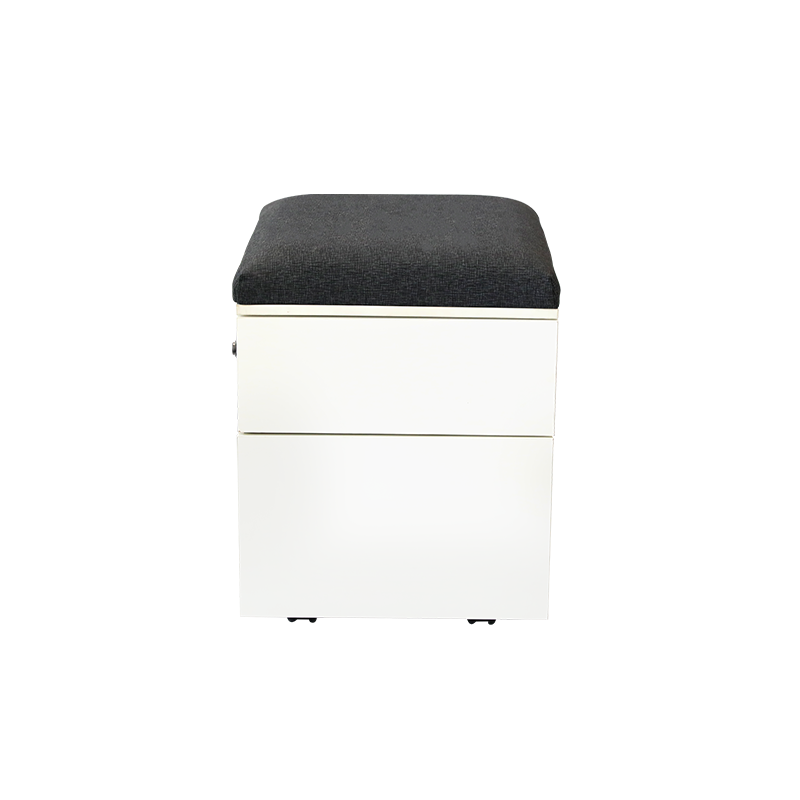
A metal auxiliary cabinet is more than just storage; it is a critical component for maintaining workflow continuity and protecting valuable assets. Whether in a high-traffic workshop or a secure corporate office, these units provide the durability and flexibility that wooden or plastic alternatives cannot match. The primary benefit is their ability to withstand harsh environments while offering up to 30% more usable storage density through modular interior configurations.
This article explores how to select the right metal auxiliary cabinet for your specific needs, focusing on material gauge, security features, and ergonomic design. By understanding these technical aspects, facility managers and homeowners can invest in solutions that enhance organization and longevity.
Material Durability and Construction Standards
The lifespan of a metal auxiliary cabinet is directly tied to the quality of its steel and the manufacturing process. Not all metal cabinets are created equal; understanding the specifications ensures you choose a unit that won't warp, rust, or fail under load.
Steel Gauge and Load Capacity
The thickness of the steel, measured in gauge, is the most important indicator of strength. Lower gauge numbers indicate thicker steel. For light office use, 22-gauge steel is sufficient, but for industrial tools or heavy files, 18-gauge or 16-gauge steel is recommended. A cabinet constructed with 18-gauge steel can typically support shelf loads of up to 100 kg (220 lbs) per shelf without significant deflection.
Powder Coating and Corrosion Resistance
Raw steel is susceptible to rust, especially in humid workshops or garages. High-quality auxiliary cabinets undergo a phosphating pre-treatment followed by electrostatic powder coating. This finish is not only aesthetically pleasing but also provides a hard, chip-resistant barrier. Look for coatings that meet ASTM B117 salt spray standards, ensuring the cabinet remains rust-free for years even in challenging conditions.
| Steel Gauge | Thickness (mm) | Best Use Case | Durability Rating |
|---|---|---|---|
| 22 Gauge | 0.7 mm | Light Office Supplies | Standard |
| 18 Gauge | 1.2 mm | Heavy Files/Tools | High |
| 16 Gauge | 1.5 mm | Industrial Equipment | Extreme |
Security Features and Locking Mechanisms
For businesses storing sensitive documents or valuable tools, the security of a metal auxiliary cabinet is paramount. Modern cabinets offer a range of locking options designed to deter theft and unauthorized access.
Types of Locks
Standard key locks are common, but they pose a risk if keys are lost or duplicated. Cam locks offer basic security for low-risk items. For higher security, look for electronic keypad locks or biometric scanners. These allow for audit trails, letting administrators know exactly when the cabinet was accessed and by whom. In industrial settings, padlock-ready hasps provide flexibility for team environments where multiple users need access.
Reinforced Doors and Hinges
A strong lock is ineffective if the door can be pried open. High-security metal auxiliary cabinets feature reinforced door edges and internal hinge pins that are inaccessible from the outside. Some models include anti-pry bars that engage automatically when locked, distributing force across the frame rather than the lock mechanism itself.
- Key Control: Use tubular keys which are harder to pick than standard wafer keys.
- Master Keying: Ideal for offices, allowing one master key to open multiple auxiliary cabinets while individual users have unique keys.
- Digital Integration: Smart locks can integrate with office access control systems for seamless security management.
Modularity and Ergonomic Design
The utility of a metal auxiliary cabinet is maximized when its interior can be adapted to changing storage needs. Modularity and ergonomic considerations ensure that the cabinet remains functional as workflows evolve.
Adjustable Shelving Systems
Fixed shelves limit versatility. Look for cabinets with shelves that adjust in 25mm (1-inch) increments. This allows for the storage of items ranging from small binders to large equipment boxes. Clip-in shelf supports are preferred over pin-based systems as they are easier to reposition and often support higher weight loads.
Space-Saving Configurations
Auxiliary cabinets are often used to fill gaps in existing layouts. Slim-profile units, typically 30-40 cm deep, can fit into narrow corridors or between desks. Additionally, stacking capabilities allow users to double vertical storage without increasing the footprint, provided the base unit is rated for the additional weight.

Contact Us Now
News
LET’S BUILD YOUR CUSTOMIZED PRODUCT

Copyright ©Zhejiang Jiangnan Outdoor Products Co., Ltd.All rights reserved.
