


 English
 中文简体
中文简体1. Material Selection and Weather Resistance in Outdoor Furniture Choosing the right material is the...
READ MOREMetal Auxiliary Cabinet: Selection, Uses & Benefits Guide
Author: Admin
Date: May 09,2026
A metal auxiliary cabinet serves as a critical component in organized industrial, commercial, and residential environments, providing durable, secure, and flexible storage solutions. Unlike primary structural storage, these units are designed to complement existing workflows by offering accessible space for tools, documents, spare parts, or sensitive equipment. Their robust construction, typically from cold-rolled steel, ensures longevity even in harsh conditions.
The primary value of a metal auxiliary cabinet lies in its high load-bearing capacity and resistance to environmental factors. Standard units can support static loads of 50-100 kg per shelf, making them ideal for heavy machinery parts or dense archival files. Furthermore, their modular design allows for seamless integration into existing layouts, enhancing operational efficiency without requiring significant floor space.
Content
Material Construction and Durability Standards
The longevity of a metal auxiliary cabinet is directly correlated to the quality of its material and finish. Most high-performance units are constructed from cold-rolled steel, which offers superior strength and dimensional stability compared to hot-rolled alternatives.
Steel Gauge and Thickness
The thickness of the steel, measured in gauge, determines the cabinet's rigidity. For light-duty office use, 22-gauge (0.8mm) steel is sufficient. However, for industrial workshops or warehouses, 18-gauge (1.2mm) or 16-gauge (1.5mm) steel is recommended to prevent denting and warping under heavy loads. Reinforced corners and double-walled doors further enhance structural integrity.
Surface Treatment and Corrosion Resistance
To combat rust and chemical exposure, metal auxiliary cabinets undergo rigorous surface treatments. The industry standard involves phosphating followed by electrostatic powder coating. This process creates a uniform, durable finish that resists chipping and fading. For environments with high humidity or chemical exposure, such as laboratories or coastal facilities, stainless steel (304 or 316 grade) or galvanized coatings provide essential protection against corrosion.
Functional Design and Configuration Options
Versatility is a hallmark of modern metal auxiliary cabinets. Manufacturers offer various configurations to suit specific storage needs, from adjustable shelving to specialized drawer systems.
| Type | Best Use Case | Key Feature |
|---|---|---|
| Shelving Unit | Bulk storage, boxes, equipment | Adjustable shelf heights |
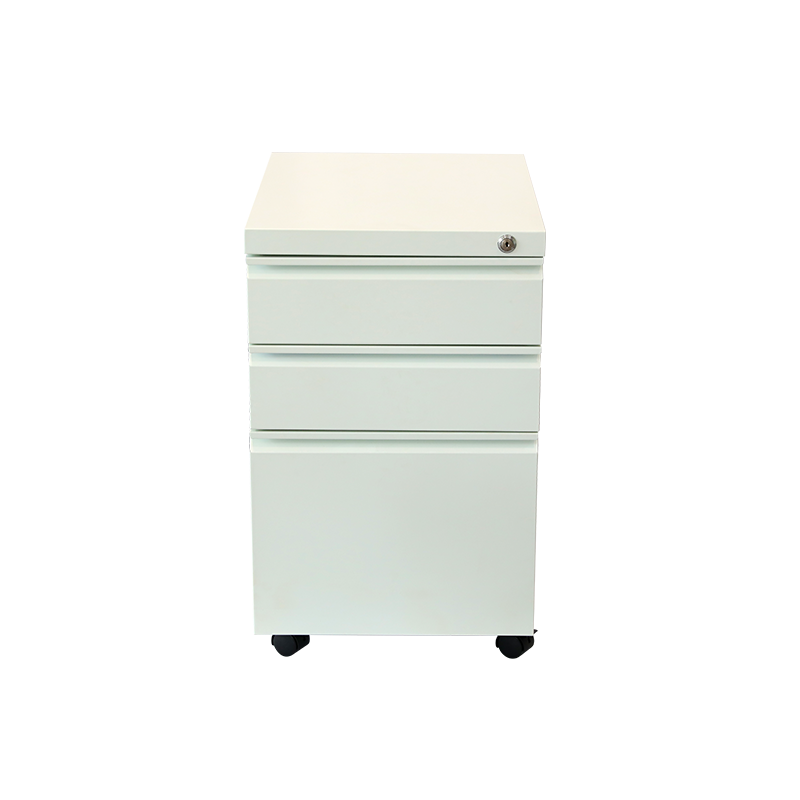
| Drawer Cabinet | Small tools, parts, documents | Full-extension slides, locks |
| Locker Style | Personal items, uniforms | Ventilation, individual keys |
| Mobile Unit | Dynamic workspaces | Heavy-duty casters with brakes |
Adjustability is a key feature to look for. Shelves that can be repositioned in 25mm increments allow users to customize storage for items of varying heights, maximizing vertical space utilization. Additionally, modular designs enable multiple units to be linked together, creating a continuous storage wall that enhances organizational coherence.
Security Features and Access Control
For businesses storing valuable assets, sensitive data, or hazardous materials, security is paramount. Metal auxiliary cabinets offer various locking mechanisms to restrict access and ensure compliance with safety regulations.
Locking Mechanisms
Standard cam locks provide basic security for general office supplies. For higher security needs, three-point locking systems engage the top, bottom, and side of the door, making forced entry significantly more difficult. Electronic keypad locks and biometric scanners are increasingly common in high-security environments, allowing for audit trails and access logs.
Compliance and Safety
In industrial settings, cabinets storing flammable liquids or chemicals must meet specific safety standards, such as OSHA or NFPA regulations. These specialized metal auxiliary cabinets feature double-walled construction with insulating air gaps, self-closing doors, and spill-containment sumps. Ensuring compliance not only protects assets but also mitigates liability and ensures workplace safety.
Strategic Placement and Maintenance
Maximizing the utility of a metal auxiliary cabinet requires strategic placement and regular maintenance. Proper installation ensures stability, while routine care extends the unit's lifespan.
- Leveling and Anchoring: Always use adjustable feet to level the cabinet on uneven floors. For tall units, anchor them to the wall to prevent tipping, especially in seismic zones or high-traffic areas.
- Load Distribution: Place heavier items on lower shelves to maintain a low center of gravity. Avoid exceeding the manufacturer’s specified weight limit per shelf to prevent structural failure.
- Cleaning and Inspection: Clean surfaces with mild detergent and water. Avoid abrasive cleaners that can damage the powder coating. Regularly inspect hinges, locks, and slides for wear, lubricating moving parts as needed to ensure smooth operation.
In conclusion, a metal auxiliary cabinet is a versatile and durable solution for enhancing storage capacity and organization. By selecting the right material, configuration, and security features, users can optimize their workspace efficiency and protect valuable assets effectively.

Contact Us Now
News
LET’S BUILD YOUR CUSTOMIZED PRODUCT

Copyright ©Zhejiang Jiangnan Outdoor Products Co., Ltd.All rights reserved.
