


 English
 中文简体
中文简体1. Material Selection and Weather Resistance in Outdoor Furniture Choosing the right material is the...
READ MOREMetal Safe Box Guide: Security, Types & Selection
Author: Admin
Date: Jul 16,2026
Content
The Foundation of Personal Security
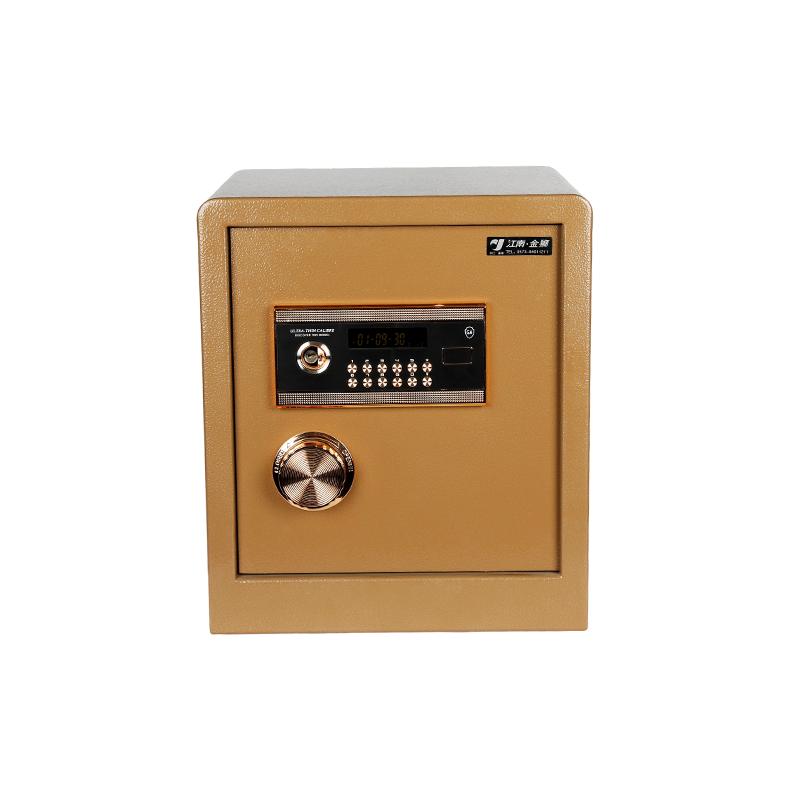
A high-quality metal safe box is the most effective deterrent against theft and environmental damage for personal valuables, important documents, and sensitive data. Unlike simple lockboxes, a robust metal safe combines heavy-gauge steel construction with advanced locking mechanisms to provide both physical resistance and peace of mind. Whether protecting heirlooms, cash, or digital backups, the right safe serves as a critical layer of defense in any security strategy.
Choosing the correct model requires understanding specific threats, such as burglary attempts, fire risks, or water damage. A well-selected safe not only secures items but also ensures they remain accessible to the owner while being impenetrable to unauthorized users.
Understanding Steel Gauge and Construction
The primary factor determining a safe's resistance to forced entry is the thickness of its steel walls, measured in gauge. The lower the gauge number, the thicker and stronger the steel. For residential use, 12-gauge to 14-gauge steel is generally recommended, providing a solid barrier against common tools like crowbars and hammers. Commercial or high-security safes often utilize 10-gauge or thicker plates, sometimes reinforced with hardplate steel to resist drilling.
Door vs. Body Thickness
It is important to note that the door is often thicker than the body because it houses the locking bolts and mechanism. A secure metal safe box will have multiple active locking bolts (usually 3/4 inch or thicker) that extend into the frame, making it difficult to pry open. Look for models with internal hinges to prevent attackers from simply removing the hinge pins.
| Steel Gauge | Thickness (Inches) | Security Level | Best Use Case |
|---|---|---|---|
| 18-20 Gauge | 0.047 - 0.035 | Low | Firearms storage (basic), documents |
| 12-14 Gauge | 0.109 - 0.074 | Medium | Home valuables, cash, jewelry |
| 10 Gauge or Lower | 0.134+ | High | Commercial use, high-value assets |
Locking Mechanisms and Access Control
The lock is the gateway to your security. Modern metal safes offer several types of locking mechanisms, each with distinct advantages. Electronic keypad locks are popular for their ease of use and quick access, allowing multiple user codes. However, they require battery changes and can be susceptible to electronic failure if not maintained.
Mechanical vs. Biometric Options
Traditional mechanical dial locks are highly reliable and do not depend on power sources, making them immune to electronic tampering. For those prioritizing speed, biometric fingerprint scanners offer instant access without remembering codes or carrying keys. While convenient, biometric sensors should always have a backup key or code entry method in case of sensor failure or injury.
- Electronic Keypads: Easy to reprogram, ideal for multiple users.
- Mechanical Dials: Highest reliability, no batteries required.
- Biometric: Fastest access, but requires regular sensor cleaning.
Fire and Water Resistance Ratings
Beyond theft protection, many metal safes are designed to withstand environmental hazards. Fire-rated safes use insulating materials between steel layers to keep the internal temperature below 350°F (the point at which paper chars) for a specified duration, typically 30 minutes to 2 hours. It is crucial to look for independent certifications from laboratories like UL (Underwriters Laboratories) rather than relying solely on manufacturer claims.
Waterproofing Considerations
In the event of a fire, sprinkler systems or firefighting efforts can cause significant water damage. Some high-end safes come with water-resistant seals that protect contents from submersion for up to 24 hours. For digital media like hard drives and USBs, which are more heat-sensitive than paper, specialized media safes with lower internal temperature thresholds are recommended.
- Check for UL Class 350 rating for paper documents.
- Ensure the safe has a tight-sealing door gasket for water resistance.
- Store digital backups in media-specific fireproof containers.
Installation and Anchoring Best Practices
Even the strongest metal safe box is vulnerable if it can be easily carried away. Proper anchoring is essential to prevent theft by removal. Most residential safes come with pre-drilled holes in the bottom and back for mounting bolts. Securing the safe to a concrete floor or wall studs makes it nearly impossible for thieves to move without heavy equipment.
Concealment is another key strategy; placing the safe in a closet, basement, or behind false panels reduces its visibility to casual burglars. Combining robust construction, reliable locking, proper anchoring, and discreet placement creates a comprehensive security solution that effectively protects your most valuable assets.

Contact Us Now
News
LET’S BUILD YOUR CUSTOMIZED PRODUCT

Copyright ©Zhejiang Jiangnan Outdoor Products Co., Ltd.All rights reserved.
