


 English
 中文简体
中文简体1. Material Selection and Weather Resistance in Outdoor Furniture Choosing the right material is the...
READ MOREMild Hyperbaric Oxygen Chamber: Benefits, Safety & Guide
Author: Admin
Date: Apr 24,2026
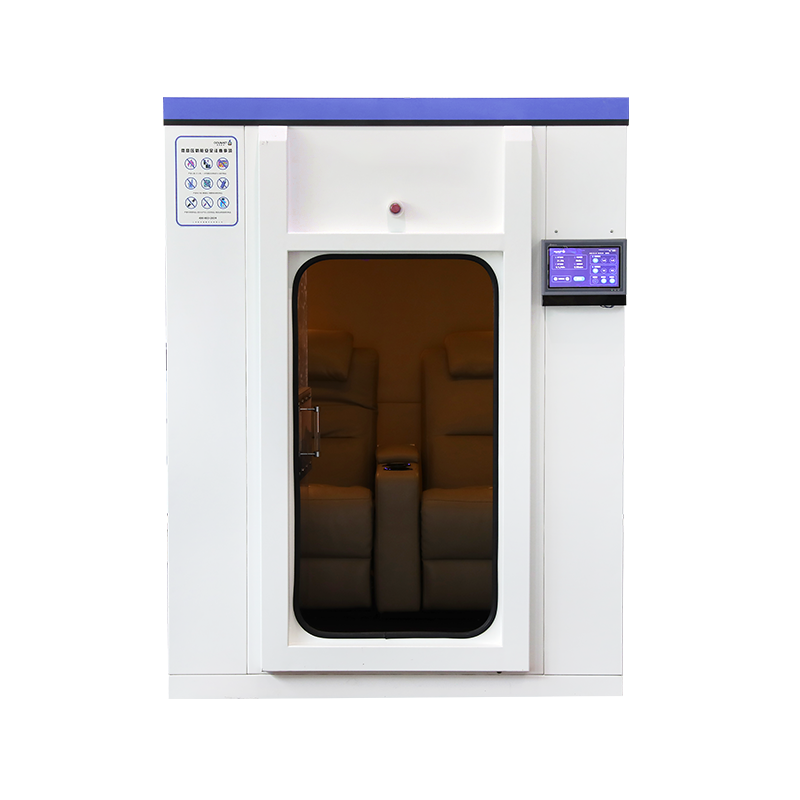
A mild hyperbaric oxygen chamber offers a accessible, non-invasive approach to enhancing wellness by increasing oxygen delivery to tissues at pressures typically between 1.3 and 1.5 ATA (Atmospheres Absolute). Unlike clinical hyperbaric oxygen therapy (HBOT) which operates at higher pressures (2.0+ ATA) and requires pure oxygen, mild chambers use ambient air and are designed for home or wellness center use. The primary benefit is accelerated recovery from physical exertion and reduced inflammation, making them popular among athletes and individuals seeking general health optimization, though they are not a substitute for medical treatment of serious conditions like decompression sickness or severe wounds.
Content
Understanding Pressure Levels and Mechanism
The efficacy of a mild hyperbaric oxygen chamber hinges on Henry’s Law, which states that the amount of dissolved gas in a liquid is proportional to its partial pressure above the liquid. By increasing the atmospheric pressure inside the chamber, more oxygen is dissolved into the blood plasma, lymph, and cerebrospinal fluid. This process allows oxygen to reach areas with restricted blood flow, promoting healing and reducing swelling.
Differentiating Mild HBOT from Clinical HBOT
It is crucial to distinguish between "mild" and "hard" or clinical chambers. Clinical HBOT is a medical procedure prescribed for specific conditions such as carbon monoxide poisoning, non-healing diabetic wounds, and radiation injury. These treatments occur at pressures of 2.0 to 3.0 ATA using 100% oxygen. In contrast, mild chambers operate at lower pressures (1.3–1.5 ATA) and typically use ambient air (21% oxygen) or optional supplemental oxygen via a cannula.
- Pressure: Mild chambers max out at ~1.5 ATA, whereas clinical units reach 3.0 ATA.
- Oxygen Source: Mild units use ambient air; clinical units use pure medical-grade oxygen.
- Regulation: Clinical HBOT is FDA-cleared for specific indications; mild chambers are generally sold as wellness devices.
Potential Benefits and Wellness Applications
Users of mild hyperbaric oxygen chambers often report improvements in energy levels, cognitive function, and physical recovery. While scientific consensus on mild HBOT is still evolving compared to clinical HBOT, anecdotal evidence and preliminary studies suggest several key benefits. The increased oxygen availability supports mitochondrial function, which is essential for cellular energy production.
Athletes frequently utilize these chambers to reduce muscle soreness and accelerate repair after intense training. The anti-inflammatory effects can help manage joint pain and soft tissue injuries. Additionally, some users experience improved sleep quality and reduced stress, attributed to the calming environment and physiological relaxation response triggered by the therapy.
| User Group | Primary Goal | Reported Outcome |
|---|---|---|
| Athletes | Recovery | Reduced muscle soreness, faster return to training |
| Biohackers | Cognitive Enhancement | Improved focus, mental clarity, energy |
| Chronic Pain Sufferers | Pain Management | Reduced inflammation, decreased pain perception |
Safety Considerations and Contraindications
While mild hyperbaric oxygen chambers are generally considered safe for healthy individuals, they are not without risks. The most common side effect is barotrauma to the ears and sinuses, similar to the pressure changes experienced during airplane descent. Users must learn proper equalization techniques, such as the Valsalva maneuver, to prevent discomfort or injury.
Who Should Avoid Mild HBOT?
Certain medical conditions contraindicate the use of hyperbaric therapy. Individuals with untreated pneumothorax (collapsed lung), severe COPD, or recent ear surgery should avoid these chambers. Furthermore, those with claustrophobia may find the enclosed space challenging, although many modern mild chambers are designed with transparency and spaciousness to mitigate this issue.
- Consult a Physician: Always seek medical advice before starting HBOT, especially if you have underlying health conditions.
- Ear Equalization: Learn and practice ear clearing techniques before your first session to prevent barotrauma.
- Monitor Duration: Typical sessions last 60–90 minutes; exceeding recommended times does not necessarily increase benefits and may increase risk.
In conclusion, a mild hyperbaric oxygen chamber can be a valuable tool for wellness and recovery when used correctly. By understanding the differences between mild and clinical therapy, recognizing potential benefits, and adhering to safety guidelines, users can make informed decisions about integrating this technology into their health routines.

Contact Us Now
News
LET’S BUILD YOUR CUSTOMIZED PRODUCT

Copyright ©Zhejiang Jiangnan Outdoor Products Co., Ltd.All rights reserved.
