


 English
 中文简体
中文简体1. Material Selection and Weather Resistance in Outdoor Furniture Choosing the right material is the...
READ MOREWhat are the safety features of the energy storage cabinet?
Author: Admin
Date: Feb 03,2026
Content
Introduction to Energy Storage Cabinet Safety
Energy storage cabinets play a crucial role in storing electrical energy from renewable sources or grid systems. Due to the high energy density of modern batteries, safety is a critical concern. Properly designed energy storage cabinets incorporate multiple safety features to prevent accidents, ensure operational reliability, and protect both personnel and equipment. Understanding these safety measures is essential for selecting, installing, and maintaining energy storage systems.
Structural Safety Features
The physical design of an energy storage cabinet provides the first line of defense against accidents. Cabinets are built with robust enclosures to protect internal battery modules from mechanical damage and environmental hazards.
Fire-Resistant Enclosures
High-quality energy storage cabinets use fire-resistant materials for the outer casing. These materials prevent external fires from reaching the battery modules and contain internal thermal events, limiting the spread of flames or heat.
Reinforced Structural Design
Reinforced frames and panels protect the battery modules against impacts or vibrations. Cabinets often include shock-absorbing mounts to reduce mechanical stress on internal components, enhancing both durability and safety.
Electrical Safety Features
Electrical safety is critical for preventing short circuits, overcurrent, and other electrical hazards. Advanced energy storage cabinets integrate multiple protective systems to manage electrical risks effectively.
Overcurrent and Short Circuit Protection
Fuses and circuit breakers are standard components that protect against overcurrent and short circuits. These devices automatically disconnect the battery modules from the system if abnormal currents are detected, preventing damage and potential fires.
Isolation and Grounding
Proper insulation of cables and modules prevents accidental contact with live components. Grounding systems direct stray currents safely to earth, reducing the risk of electric shock to personnel and minimizing damage to equipment.
Thermal Management Systems
Heat generation is a natural byproduct of battery operation. Excessive heat can lead to thermal runaway, which is a primary safety concern in energy storage systems. Thermal management systems help maintain safe operating temperatures.
Active Cooling
Energy storage cabinets often include fans or liquid-cooling systems to dissipate heat from battery modules. This helps maintain consistent operating temperatures and prevents hotspots that could compromise safety.
Temperature Sensors
Integrated temperature sensors monitor the heat levels of battery modules in real time. If temperatures exceed safe thresholds, the system can automatically adjust cooling or shut down affected modules to prevent thermal incidents.
Fire Detection and Suppression
Early fire detection and suppression are critical for energy storage cabinet safety. These systems reduce the risk of fire spreading and minimize potential damage.
Smoke and Heat Sensors
Smoke detectors and heat sensors are installed inside the cabinet to detect early signs of fire or overheating. When triggered, they can alert operators and activate safety protocols immediately.
Automatic Fire Suppression Systems
Many cabinets include built-in fire suppression systems, such as clean gas extinguishers or automatic sprinklers. These systems activate automatically when fire or smoke is detected, limiting damage to the battery modules.
Battery Management Systems (BMS)
The Battery Management System is a core safety feature in energy storage cabinets. It continuously monitors voltage, current, and temperature to ensure the safe operation of battery cells.
- Cell balancing to prevent overcharging or deep discharging
- Fault detection to identify damaged or malfunctioning cells
- Communication with external controllers for emergency shutdown
Access and Operational Safety
Physical access control and operational safety measures prevent accidents caused by unauthorized handling or human error.
Lockable Doors and Restricted Access
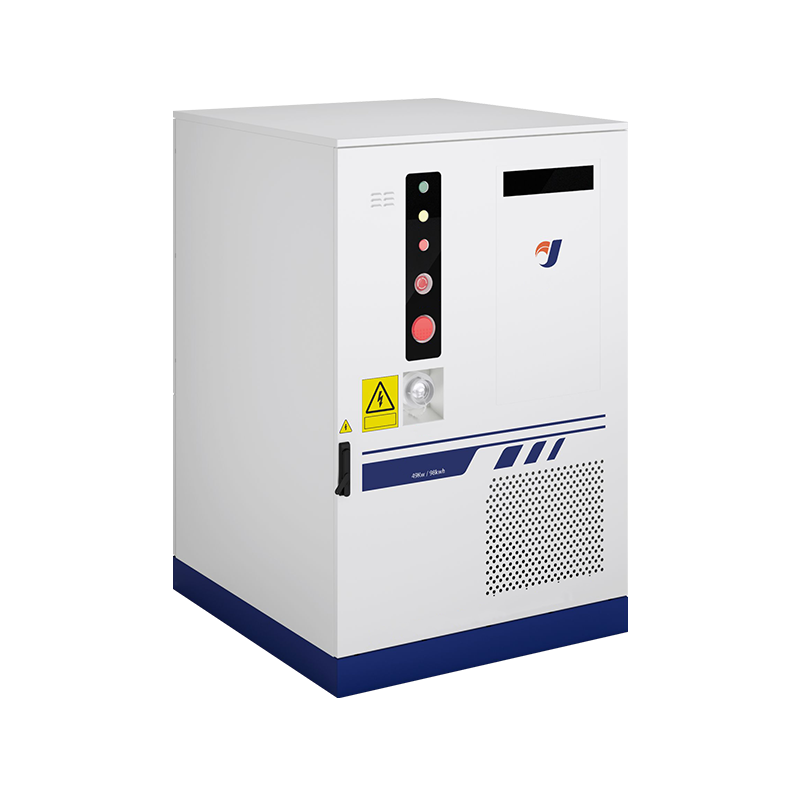
Energy storage cabinets are typically equipped with lockable doors to prevent unauthorized access. Only trained personnel should operate or service the cabinet, reducing the risk of accidents.
Warning Labels and Indicators
Clear warning labels, LED indicators, and alarms inform users about operational status and potential hazards. This proactive communication helps prevent unsafe interactions with the system.
Summary of Key Safety Features
| Safety Feature | Function |
| Fire-Resistant Enclosure | Contains internal fires and prevents external fire damage |
| Overcurrent Protection | Prevents short circuits and excessive current |
| Thermal Management | Maintains safe operating temperatures to avoid thermal runaway |
| Fire Detection & Suppression | Detects and extinguishes fires automatically |
| Battery Management System (BMS) | Monitors and manages cell voltage, current, and temperature |
| Access Control | Prevents unauthorized operation and ensures personnel safety |
Conclusion
Energy storage cabinets incorporate multiple layers of safety, ranging from structural protections and electrical safeguards to thermal management and intelligent monitoring via the BMS. Combined with access control and fire suppression systems, these features ensure safe operation, reduce the risk of accidents, and enhance reliability in high-energy storage applications. Understanding and maintaining these safety features is critical for safe and efficient energy storage system operation.

Contact Us Now
News
LET’S BUILD YOUR CUSTOMIZED PRODUCT

Copyright ©Zhejiang Jiangnan Outdoor Products Co., Ltd.All rights reserved.
