


 English
 中文简体
中文简体1. Material Selection and Weather Resistance in Outdoor Furniture Choosing the right material is the...
READ MOREWhat is the load-bearing capacity of metal compact shelves?
Author: Admin
Date: Jan 31,2026
Content
- 1 Understanding Load-Bearing Capacity in Metal Compact Shelves
- 2 Key Structural Factors That Affect Load Capacity
- 3 Typical Load-Bearing Ranges for Metal Compact Shelves
- 4 How Load Is Distributed Across the System
- 5 Testing and Certification Standards
- 6 Impact of Accessories and Customization
- 7 Practical Tips to Maximize Load Safety
- 8 Choosing the Right Load Capacity for Your Needs
- 9 Conclusion: Balancing Capacity, Safety, and Efficiency
Understanding Load-Bearing Capacity in Metal Compact Shelves
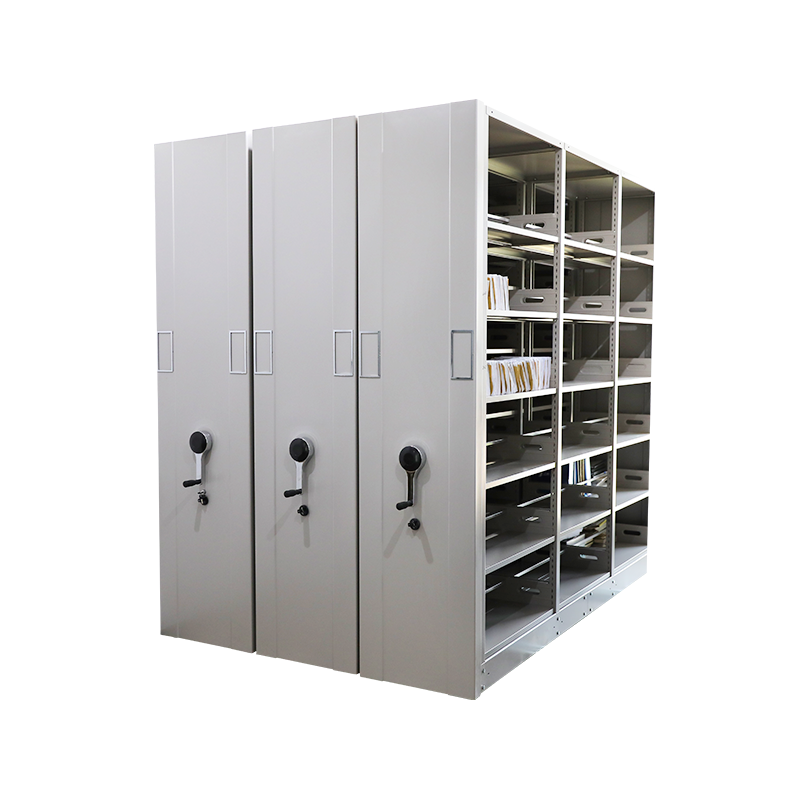
The load-bearing capacity of metal compact shelves refers to the maximum weight the shelving system can safely support under normal operating conditions. This capacity is not a single fixed number but a carefully calculated value based on shelf structure, steel thickness, column design, rail system, and usage patterns. For facilities such as archives, libraries, warehouses, and industrial storage rooms, understanding this capacity is essential to ensure safety, longevity, and efficient space utilization.
Metal compact shelves are designed to concentrate large amounts of weight within a limited footprint. Unlike static shelving, they rely on movable bases and rails, which means load distribution and structural balance play a critical role in determining how much weight the system can handle. Manufacturers usually define load-bearing capacity per shelf layer, per bay, and per entire carriage.
Key Structural Factors That Affect Load Capacity
The load-bearing strength of metal compact shelves depends on several structural components working together. Each component contributes differently to overall performance, and weaknesses in one area can limit the entire system’s capacity.
Steel Material and Thickness
High-quality cold-rolled steel is commonly used for metal compact shelves because of its uniform strength and resistance to deformation. Thicker steel panels provide higher load capacity, especially for shelf boards and vertical columns. For example, increasing shelf thickness from 0.8 mm to 1.2 mm can significantly improve resistance to bending under heavy loads.
Column and Frame Design
The vertical columns transfer weight from the shelves down to the base and rails. Reinforced columns with multiple folds or ribs can support greater loads without buckling. Frame spacing also matters; closer column spacing distributes weight more evenly and reduces stress on individual shelves.
Base and Rail System
Since metal compact shelves move along rails, the rail system must support not only static loads but also dynamic forces during movement. Heavy-duty rails anchored into the floor ensure that weight is evenly distributed and that the system remains stable even when fully loaded.
Typical Load-Bearing Ranges for Metal Compact Shelves
While exact figures vary by manufacturer and configuration, metal compact shelves generally fall within well-established load-bearing ranges. These ranges are usually tested under standardized conditions and assume proper installation and even weight distribution.
| Load Level | Typical Capacity | Common Applications |
| Per Shelf Layer | 80–150 kg | Files, books, boxed items |
| Per Bay | 500–800 kg | Archival storage, office records |
| Per Carriage | 3000–6000 kg | High-density storage systems |
How Load Is Distributed Across the System
Load-bearing capacity is not just about how much weight a shelf can hold, but also how that weight is distributed. Uneven loading can cause localized stress, leading to shelf deformation or rail misalignment over time.
Best practice involves placing heavier items on lower shelves and distributing weight evenly across each shelf layer. This reduces the center of gravity and improves overall stability, especially in taller shelving systems.
- Place the heaviest materials on bottom layers
- Avoid concentrating weight on one side of a shelf
- Keep load within manufacturer-rated limits
Testing and Certification Standards
Reputable manufacturers test metal compact shelves according to industry standards to verify load-bearing performance. These tests often include static load tests, dynamic movement tests, and long-term deformation assessments.
Certifications demonstrate that the shelves can withstand rated loads with an appropriate safety margin. This margin is critical because real-world use may involve frequent movement, uneven loading, or environmental factors such as humidity.
Impact of Accessories and Customization
Accessories such as dividers, drawers, hanging frames, and pull-out trays can affect load-bearing capacity. While these additions improve organization, they may reduce usable load per shelf due to added weight or altered load distribution.
Customized shelf sizes or extended widths should always be evaluated carefully. Longer shelves experience greater bending stress, which may require thicker steel or additional reinforcement to maintain the same load rating.
Practical Tips to Maximize Load Safety
Even a high-capacity metal compact shelving system can fail prematurely if used incorrectly. Proper installation, regular inspection, and responsible loading habits are essential for maintaining long-term performance.
- Ensure the floor meets load-bearing requirements before installation
- Conduct routine inspections for bent shelves or loose bolts
- Train staff on proper loading and movement procedures
Choosing the Right Load Capacity for Your Needs
Selecting the appropriate load-bearing capacity depends on what you plan to store now and in the future. Paper documents, books, and files have predictable weights, while industrial components or boxed materials may vary significantly.
It is generally advisable to choose a system with a higher rated capacity than your current requirements. This provides flexibility for future expansion and reduces the risk of overloading as storage demands increase.
Conclusion: Balancing Capacity, Safety, and Efficiency
The load-bearing capacity of metal compact shelves is a critical performance indicator that directly affects safety, durability, and storage efficiency. By understanding how capacity is determined, how loads are distributed, and how real-world usage impacts performance, users can make informed decisions and avoid costly mistakes.
A well-designed metal compact shelving system, properly installed and responsibly used, can reliably support heavy loads for many years while maximizing available space. Careful attention to load-bearing specifications ensures that the system delivers both strength and long-term value.

Contact Us Now
News
LET’S BUILD YOUR CUSTOMIZED PRODUCT

Copyright ©Zhejiang Jiangnan Outdoor Products Co., Ltd.All rights reserved.
