


 English
 中文简体
中文简体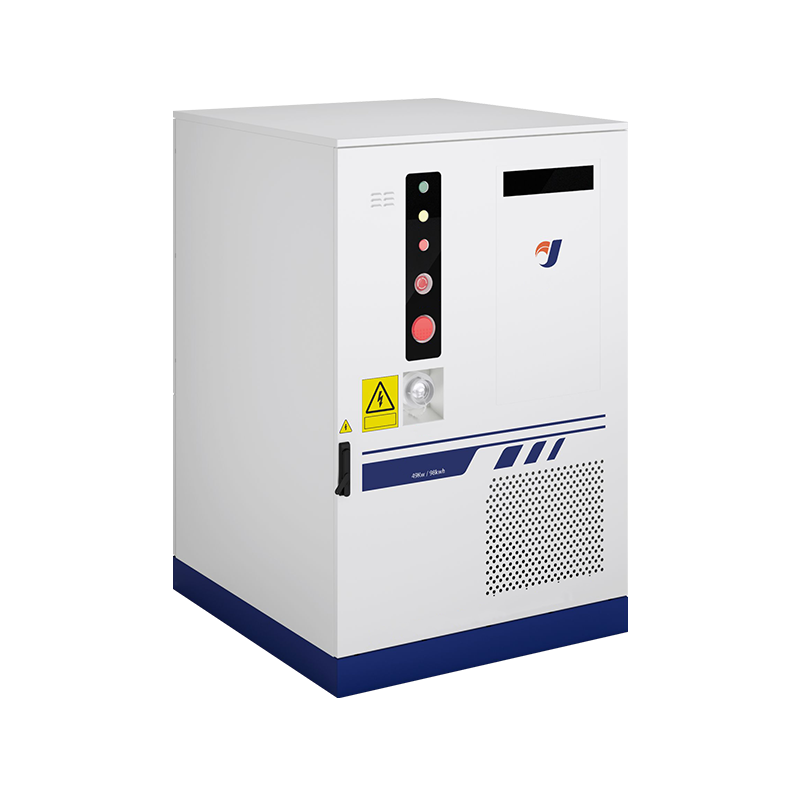
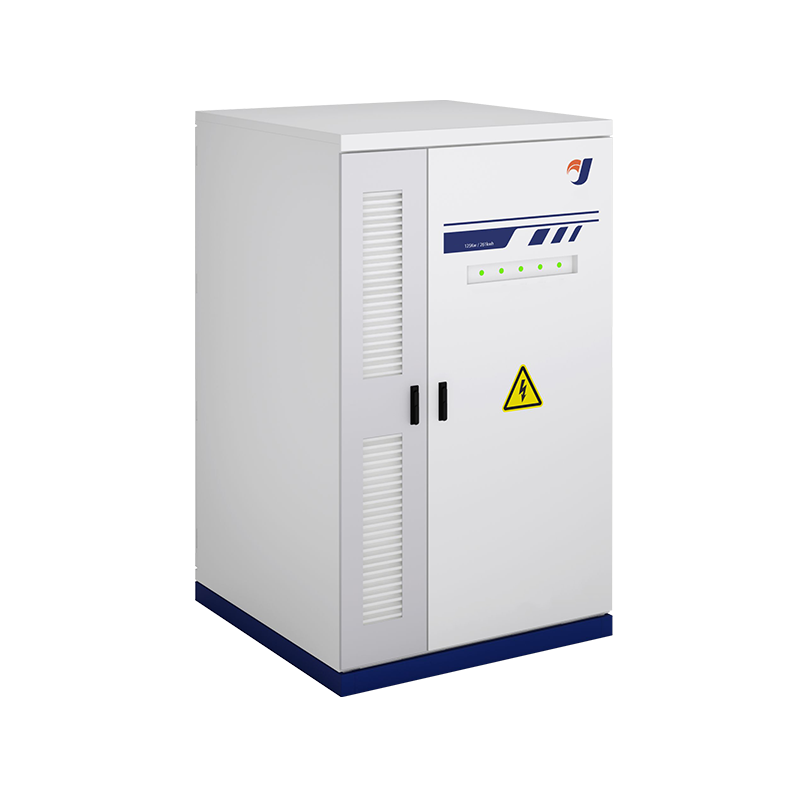
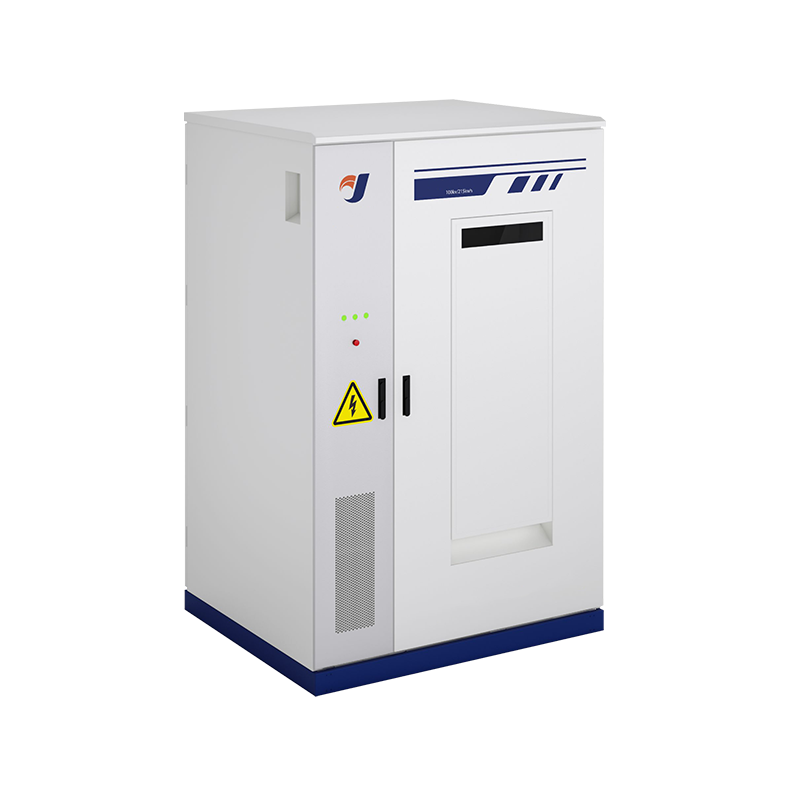
1. Industry Context: Why an Energy Storage Cabinet Matters
As renewable generation and distributed energy resources expand, the enclosure that houses batteries and power electronics has shifted from a passive container to an engineered asset. An Energy Storage Cabinet provides mechanical protection, environmental sealing, and a platform for thermal management and electrical segregation. For project owners and integrators, choosing the right Energy Storage Enclosures directly affects uptime, maintenance effort, and total cost of ownership.
2. Materials and Surface Treatments: Building for Longevity
2.1 Metal choices and structural design
High-strength cold-rolled steel and aluminum alloys are the two mainstream base materials for an Energy Storage metal Cabinet. Steel provides excellent rigidity and impact resistance for heavy-duty installations, while aluminum reduces weight and improves corrosion resistance in coastal or mobile applications. The structural layout must balance stiffness, cable routing space, and accessible maintenance lanes for battery packs and PCS units.
2.2 Corrosion protection and aesthetics
Durable surface finishes — such as electrostatic powder coating to RAL color standards — extend service life and help the cabinet meet site appearance requirements. For outdoor or coastal deployments, additional anti-salt treatments and sealed fasteners reduce long-term corrosion risk without compromising serviceability.
3. Modular Layout and Maintainability
3.1 Internal architecture for fast service
Modular internal racks and professional cable ducts enable swap-and-replace workflows: batteries, converters, and monitoring modules can be removed and installed with minimal disruption. Clear separation of DC and AC zones, combined with labeled harnesses and standardized connectors, shortens fault-finding time and lowers technician exposure to energized components.
3.2 Operational readiness and spare parts strategy
When specifying Energy Storage Enclosures for commercial deployments, require documentation of spare-part kits, recommended preventive maintenance intervals, and a supplier-led service plan. Manufacturers with in-house fabrication lines and automated production tend to meet repeatability and scheduling needs more reliably for larger rollouts.
4. Thermal Management and Fire Safety
4.1 Passive and active cooling strategies
Effective thermal control combines passive ducting for convective flow with active temperature regulation (fans, heat exchangers, or controlled ventilation). The design should keep cells and power electronics within their specified temperature windows across projected ambient extremes to minimize degradation and preserve performance.
4.2 Fire barriers, detection and compartmentalization
Multi-layer protection—fireproof barriers between modules, early-warning thermal sensors, and automated isolation mechanisms—limits propagation of thermal events. Specify tested separation elements and validate them under standardized test programs to ensure the cabinet design meets both local regulations and insurance requirements.
5. Environmental Ratings, Testing and Certifications
5.1 Choosing an ingress and environmental protection level
Typical projects reference IP54 as a minimum for sheltered outdoor or semi-exposed sites; coastal or fully open-air installations may require higher IP ratings and additional salt-spray or UV resistance. Vibration and seismic testing requirements should be included for installations in mobile units or seismic zones.
5.2 Quality systems that reduce project risk
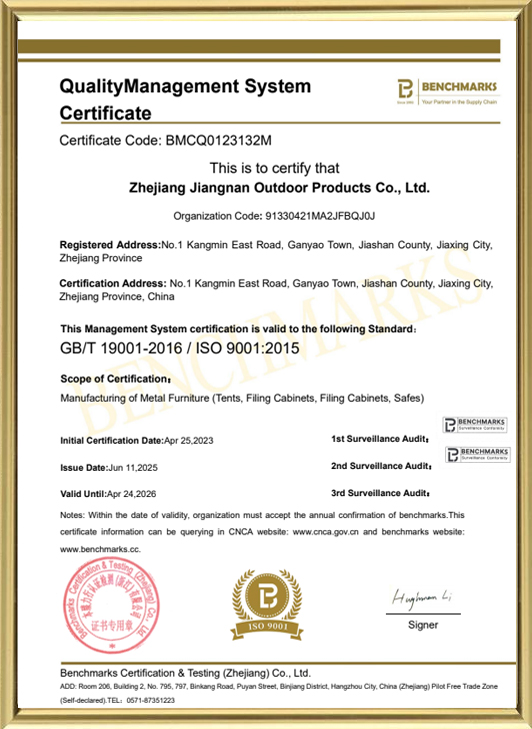
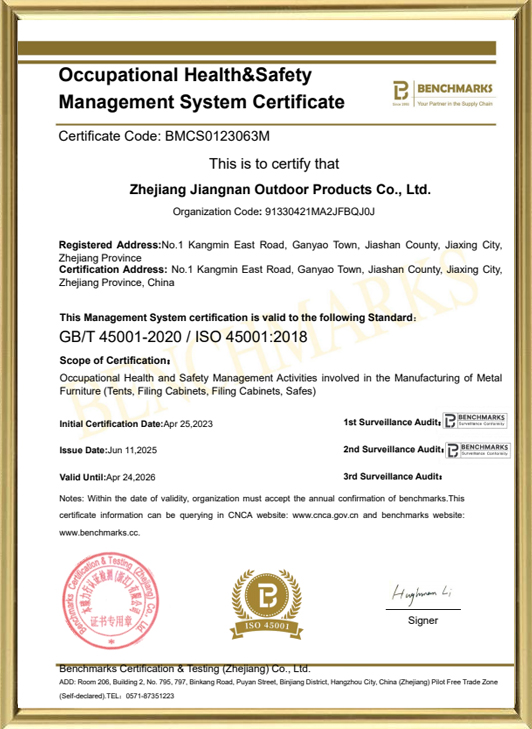
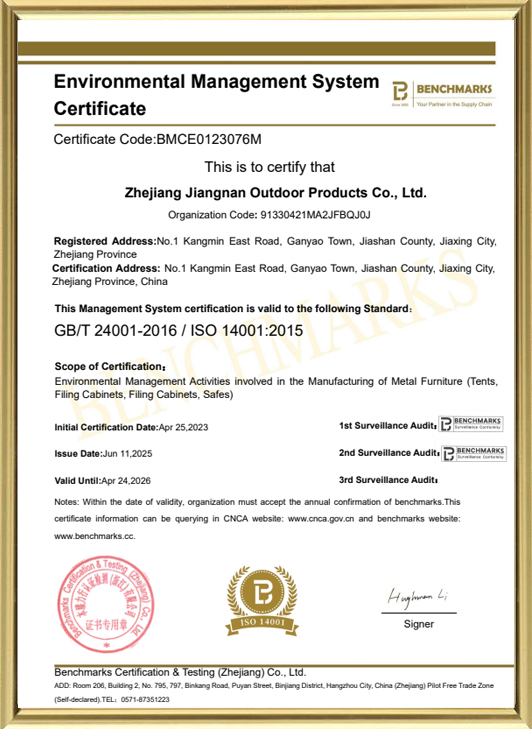
Selecting suppliers with certified quality and environmental management systems helps streamline procurement and acceptance testing. When suppliers can demonstrate repeatable test records—mechanical, electrical, and environmental—it reduces integration risk and supports international project rollouts.
6. Selection Checklist and Typical Configurations
Use the checklist and configuration table below during technical evaluations to compare solutions by capability rather than marketing claims.
- Material base (steel or aluminum) and finish process
- Internal modularity and accessible cable routing
- Thermal strategy and active temperature control range
- Fire segregation, detection, and isolation features
- Environmental and mechanical testing documentation
- Manufacturer production capacity and after-sales support
7. Application Scenarios and Practical Recommendations
7.1 New energy power stations
For utility-scale PV or wind-plus-storage projects, prioritize robust thermal pathways and proven fire compartment strategies. Space planning should accommodate high-voltage cable trays and medium-voltage terminations while leaving service corridors for transformer and PCS access.
7.2 Industrial and commercial energy storage
In commercial buildings or industrial parks, operational continuity is key. Choose Energy Storage Enclosures with fast module replacement procedures and integrated monitoring to minimize downtime and simplify preventive maintenance.
7.3 Export and distributed projects
For projects destined for international markets, confirm that the cabinet design and supplied documentation meet destination-specific standards, and that the manufacturer has demonstrated experience with cross-border logistics and customs compliance.
8. Manufacturer Capabilities that Matter
Suppliers that combine sizable manufacturing footprint, automated fabrication (laser cutting, robotic welding, automated painting) and a formal QA/QC framework more easily support repeatable deliveries and custom variants. When evaluating vendors, look for evidence of production scale, export experience, and the ability to provide test records and after-sales support for large deployments.
9. Conclusion: Spec for Reliability, Not Just Fit
An Energy Storage Cabinet should be specified as an engineered enclosure: the material selection, thermal and fire strategies, modular internal architecture, and the manufacturer's production and testing capabilities all contribute to the real-world performance of a storage installation. Prioritizing these factors—rather than selecting a cabinet solely on price—reduces operational risk and increases the likelihood that the Energy Storage metal Cabinet will support long-term, trouble-free service.

