


 English
 中文简体
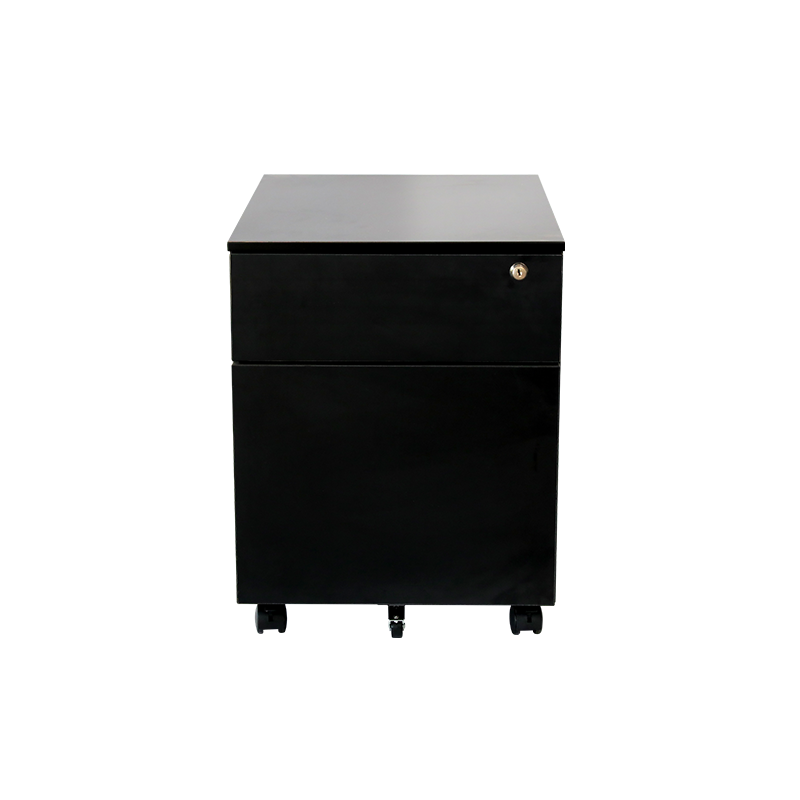
中文简体The Easy To Clean Double Drawer Front Lock Mobile Cabinet Auxiliary Cabinet is a...
Products
Steel Office Furniture Manufacturers
-
-
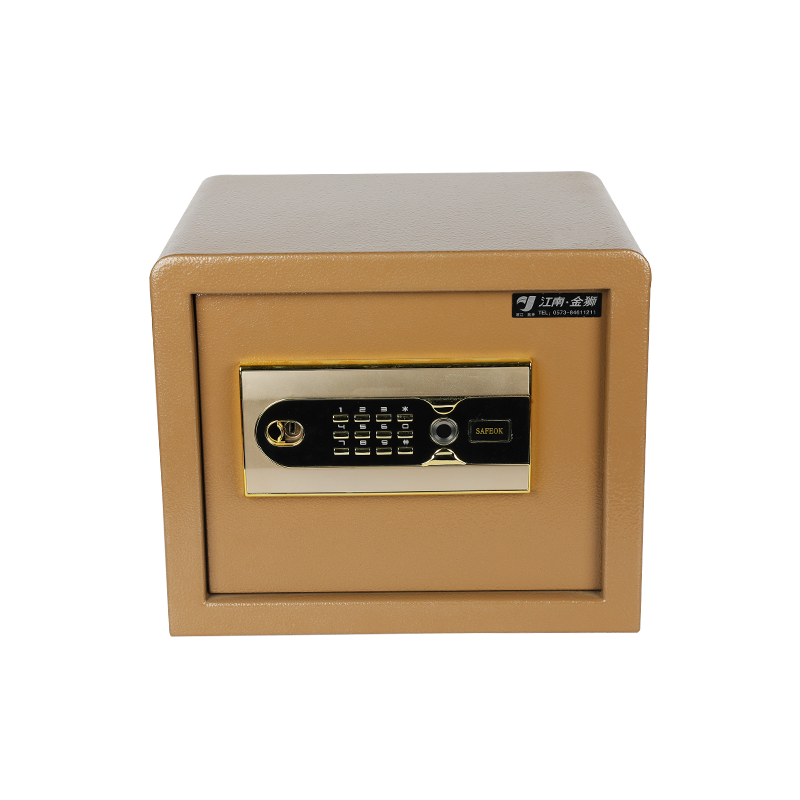 Gold Appearance Anti-Theft Small Electronics Home Safes
Keep your valuables secure and your mind at ease with our Gold Appearance Anti-t...
-
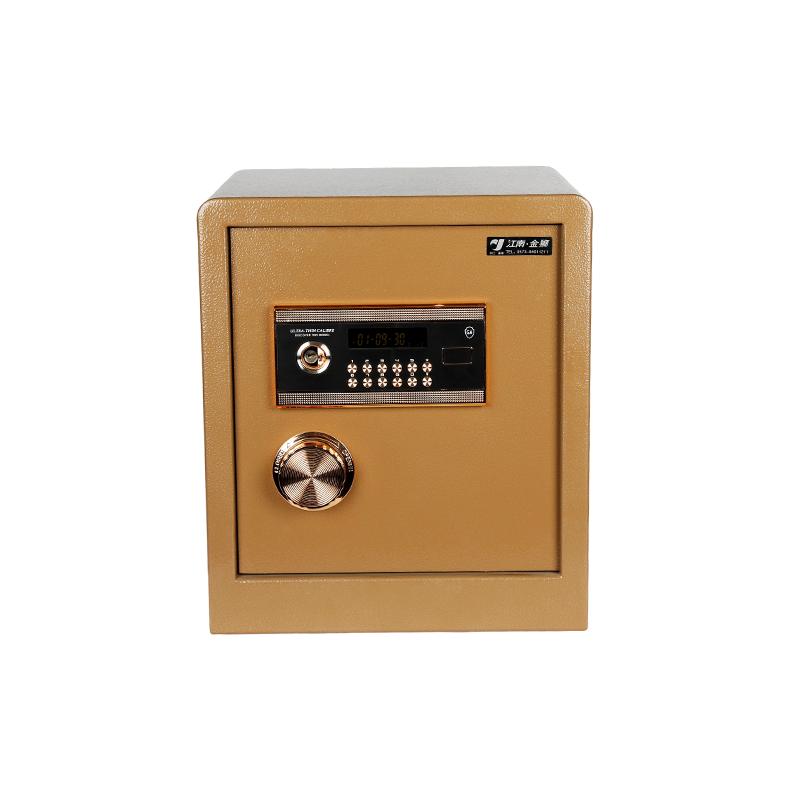 High Strength Protection Medium Mechanical Double Door Safe
The High Strength Protection Medium Mechanical Double Door Safe is a top-tier se...
-
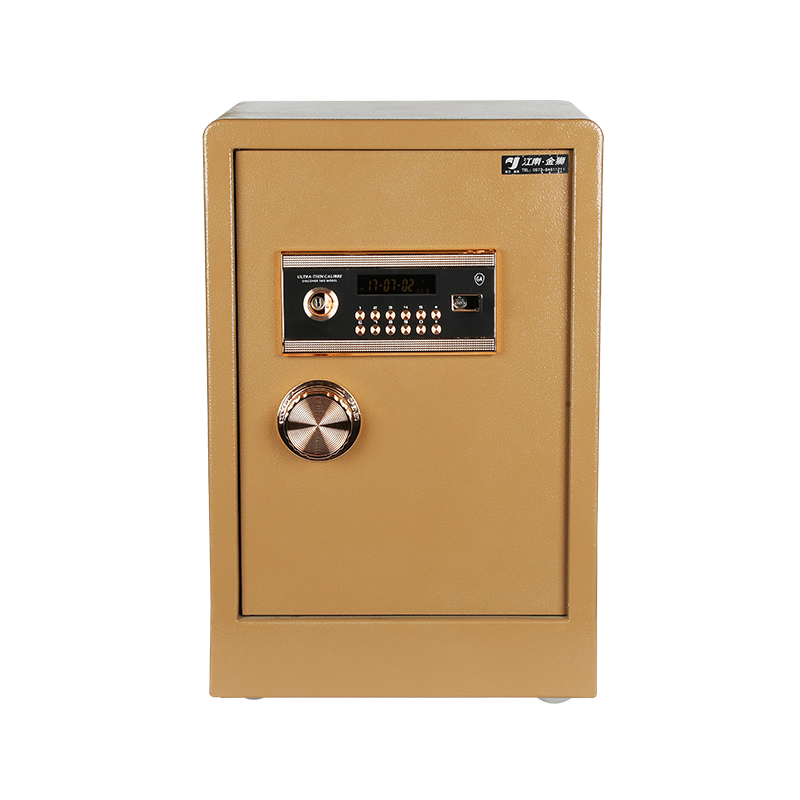 Impact-Resistant Design Large Electronic Single Door Safe
The Impact-Resistant Design Large Electronic Single Door Safe is engineered to o...
-
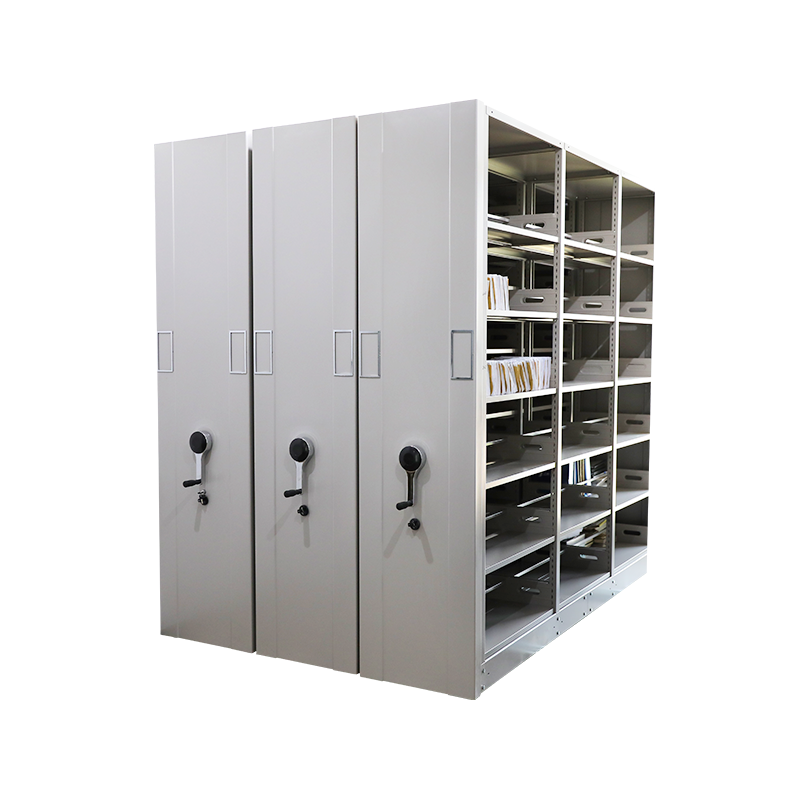 Convenient Operation Space Saving Compact Shelving
Convenient operation Space saving Compact shelving, designed with space-saving a...
-
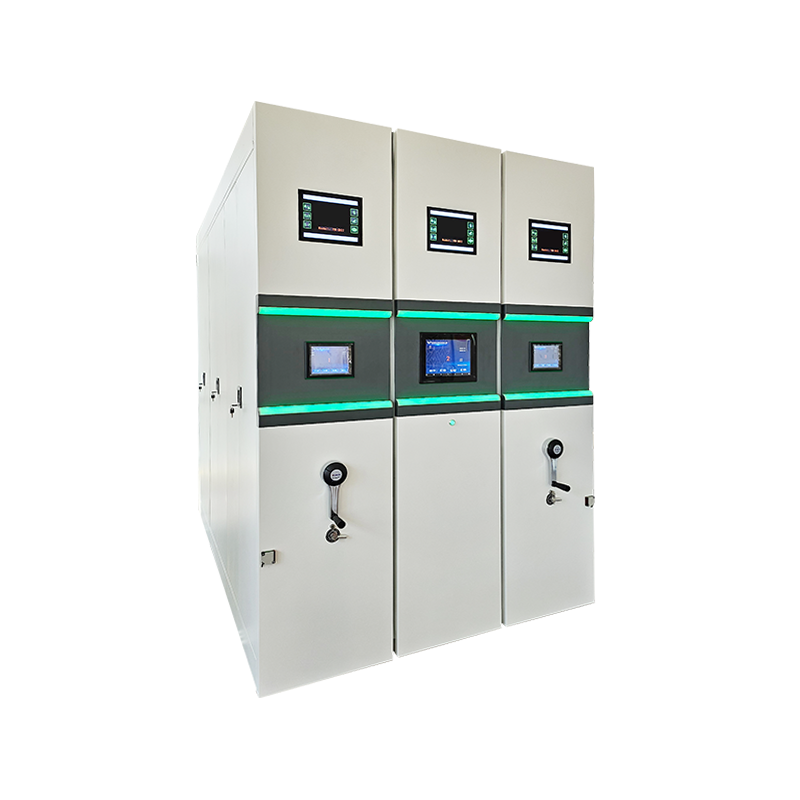 Voice-Controlled Intelligent Compact Shelving
With the widespread application of information and intelligent office, tradition...
Office Furniture: Durable and stylish choice for modern office space
Metal Office Furniture is an ideal choice for a modern office environment with its durability, flexible design, and environmental protection. It adopts high-strength materials such as cold-rolled steel and aluminum alloy, which have the advantages of stability and lightness, and can easily cope with high-frequency daily use. It has rich surface treatment processes, such as polyurethane powder spraying, chrome plating or vacuum coating, providing a variety of colors and textures to meet the needs of personalized office aesthetics. Modular design further improves space utilization, adapts to open or independent office scenes, and meets fire protection standards to ensure office safety. Whether it is a simple steel filing cabinet or a high-end aluminum alloy workstation, metal office furniture can help companies create an efficient and professional office environment with the combination of practicality and artistry.
ABOUT US
Zhejiang Jiangnan Outdoor Products Co., Ltd.
Zhejiang Jiangnan Outdoor Products Co., Ltd. is located in Jiashan, Zhejiang, one of the Yangtze River Delta integration demonstration areas. It has convenient transportation, adjacent to Shanghai and Suzhou, and within 100 kilometers of Hangzhou and Ningbo. It has an extremely special core geographical location and unique location advantages.
The company has fixed assets of 140 million yuan, more than 200 employees, and a plant area of more than 50,000 square meters. It has invested heavily in building an intelligent production line and has advanced production equipment such as laser cutting machines, laser pipe cutting machines, CNC bending machines, robot welding, laser welding, and automated spraying lines. As China Steel Office Furniture Manufacturers and Office Furniture Factory. The company is mainly engaged in the production of outdoor furniture, office furniture (file cabinets, mobile cabinets), safes (cabinets), file compact shelving, shelves, electrical equipment and other sheet metal products.
The company has fixed assets of 140 million yuan, more than 200 employees, and a plant area of more than 50,000 square meters. It has invested heavily in building an intelligent production line and has advanced production equipment such as laser cutting machines, laser pipe cutting machines, CNC bending machines, robot welding, laser welding, and automated spraying lines. As China Steel Office Furniture Manufacturers and Office Furniture Factory. The company is mainly engaged in the production of outdoor furniture, office furniture (file cabinets, mobile cabinets), safes (cabinets), file compact shelving, shelves, electrical equipment and other sheet metal products.
-
40+
manufacturing experience
-
50,000㎡
Production Plant
-
200+
Employees
-
140Million+
Fixed assets
Certificates
The Honor
We Have Received.
View More
We Have Received.
As a leading manufacturer in the Yangtze River Delta Integrated Demonstration Zone (Jiashan, Zhejiang), Jiangnan Outdoor has been awarded "National High-Tech Enterprise" and "Jiaxing Green Factory" titles, with full certifications in ISO 9001:2015, ISO 14001:2015, and ISO 45001:2018 international standards.
News
-
How Office Furniture Shapes Productivity, Health, and Culture Office furniture is no longer a background consideration in workplace planning — it is a primary lever for organizational performance, employee wellbeing, and talent retention. Research consistently demonstrates that the physical environ...
READ MORE -
Steel office furniture outperforms wood and engineered-wood alternatives on durability, security, load capacity, and long-term cost — and it does so across a wider range of environments than most buyers expect. For any office that prioritizes longevity, file security, heavy daily use, or a budget t...
READ MORE -
What a Starry Sky House Really Is — and Why People Want One A starry sky house is a dwelling — permanent or temporary — specifically designed to give occupants an unobstructed, immersive view of the night sky, typically through glass ceilings, transparent roof panels, skylights, or open-air structu...
READ MORE
Industry Knowledge
1. Corrosion protection strategies for steel office furniture
Steel office furniture faces two main corrosion challenges: uniform surface oxidation and localized attack (crevice or pitting corrosion). Effective protection combines material selection, surface treatment, and smart design to avoid moisture traps. Practical choices reduce long-term maintenance and preserve aesthetics.
Material selection and coatings
Choose the correct substrate for the intended environment. Cold-rolled steel is economical and appropriate for dry indoor use; galvanized or stainless options are preferable for humid or near-coastal installations. Typical protective strategies:
- Hot-dip galvanizing: full metallurgical zinc layer, service life measured in decades for indoor environments; ideal where edges and welds need continuous protection.
- Zinc electroplate + passivation: thinner than hot-dip but suitable for components not exposed to heavy abrasion; cost-effective for decorative parts.
- Powder coating over phosphated steel: provides durable color and additional corrosion resistance when pretreatment is properly controlled (iron phosphate or zinc phosphating).
- Stainless steel grades: 304 for general indoor use, 316 for aggressive or coastal sites; specify grade if environment has higher chloride exposure.
Design details that limit corrosion
Avoid horizontal ledges and closed cavities that hold dust and moisture. Use drainage slots in drawers and welded seams designed for wash-down where necessary. Select plastic or rubber spacers between dissimilar metals to prevent galvanic corrosion.
2. Load-bearing and structural considerations for metal office desks
Designing a durable steel desk is more than selecting gauge; it requires understanding distributed vs point loads, deflection limits, and connection methods. For consistent performance, combine appropriate core thickness, reinforcement ribs, and tested fasteners.
Practical specifications and testing
- Recommended top support: for typical office use target a uniformly distributed load rating of 150–200 kg (330–440 lb) for a 1600×800 mm desk; increase reinforcement for digital-heavy workstations or heavy equipment.
- Frame members: use cold-rolled steel sections of at least 1.2–1.5 mm thickness for tubular frames, or 2.0 mm for flat rails where spans exceed 1.6 m.
- Fasteners and joints: prefer M6 or M8 high-tensile bolts with lock washers for detachable assemblies; welded joints should be continuous fillets on primary load paths.
- Deflection control: limit vertical deflection to span/250 for ergonomic desks to avoid perceived bounce when typing or leaning on the surface.
Cable management without weakening structure
Integrate cable trays and grommeted cutouts into non-structural internal panels. When cutting access holes in load-bearing rails, reinforce perimeters with welded collars or patch plates to retain stiffness and fatigue life.
3. Finishes, maintenance cycles, and repair best practices
A finish protects and defines the customer experience. Proper maintenance extends life and reduces warranty costs of home office furniture. Define maintenance intervals by finish type and site conditions.
Cleaning and maintenance schedule
- Daily: wipe powder-coated or stainless surfaces with a soft, damp cloth; avoid abrasive pads and ammonia-rich cleaners.
- Monthly: inspect joints and fasteners for loosening; re-tighten to torque spec (e.g., M8 bolts to ~20–25 Nm depending on grade).
- Annual: touch up chips on painted or powder-coated surfaces with matching touch-up paint after proper cleaning and light sanding; for deeper corrosion, remove rust to bare metal and prime before finish.
On-site repair steps for common issues
For localized rust: abrade to bright metal, apply zinc-rich primer, then topcoat. For chipped powder coat: clean, apply epoxy primer, and use a baked enamel touch-up pen when possible. Replace damaged fasteners with stainless or zinc-plated equivalents matching original grade.
4. Modular storage systems: balancing security, access, and flexibility
Metal storage is prized for fire resistance and durability, but designers must reconcile security with quick access and modular reconfiguration. Adopt standard module sizes and interface points to simplify scaling and replacement.
Design patterns and connectors
- Universal rail spacing: specify 32 mm or 25 mm incremental hole patterns on uprights to make shelf repositioning tool-free or single-screw assisted.
- Interlock safety: use mechanical interlocks on multi-drawer cabinets to prevent tipping when multiple drawers are open; test to EN 14073 or local standard where required.
- Integrated cable/power routing: route power behind lockable panels and separate data from mains to simplify future upgrades and to comply with electrical clearance best practices.
Suggested module sizing quick reference
| Module type | Common dimensions (W×D×H) | Recommended use |
| Low drawer unit | 800×450×400 mm | Under-desk storage, filing |
| Tall locker | 400×450×1800 mm | Personal storage, coat hanging |
| Open shelf bay | 1000×350×1200 mm | Books, display, light archives |
5. Sustainability: lifecycle thinking for metal office furniture
Steel is highly recyclable, but product sustainability depends on design for disassembly, material transparency, and reuse pathways. Prioritize long-life components and provide clear take-back or refurbishment instructions to clients.
Design for circularity—practical checklist
- Use mechanical fasteners instead of permanent adhesives where strength allows, to enable disassembly and material segregation.
- Label primary materials and finishes inside storage cavities to help recycling centers identify alloys and coatings.
- Offer spare-part kits (legs, castors, drawer runners) to extend product life and reduce full product replacement.
- Specify a minimum recycled steel content (e.g., ≥30%) and document embodied carbon where clients request environmental product declarations (EPDs).
End-of-life recommendations
Provide clients with clear instructions: remove non-metallic components (foam, upholstery) for separate recycling, collapse and stack metal frames, and partner with local metal recyclers. Consider refurbishment programs for high-value corporate furniture to capture residual value and reduce waste.
LET’S BUILD YOUR CUSTOMIZED PRODUCT

Copyright ©Zhejiang Jiangnan Outdoor Products Co., Ltd.All rights reserved.
