


 English
 中文简体
中文简体Metal gazebo: the perfect combination of elegance and durabilityThe metal gazebo...
Products
Outdoor Furniture Manufacturers
-
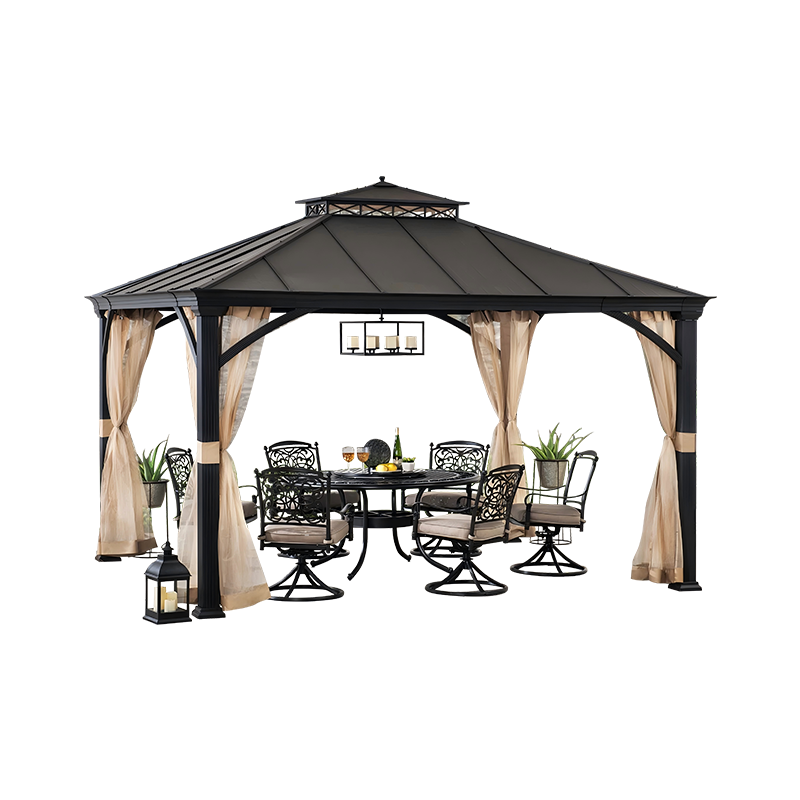
-
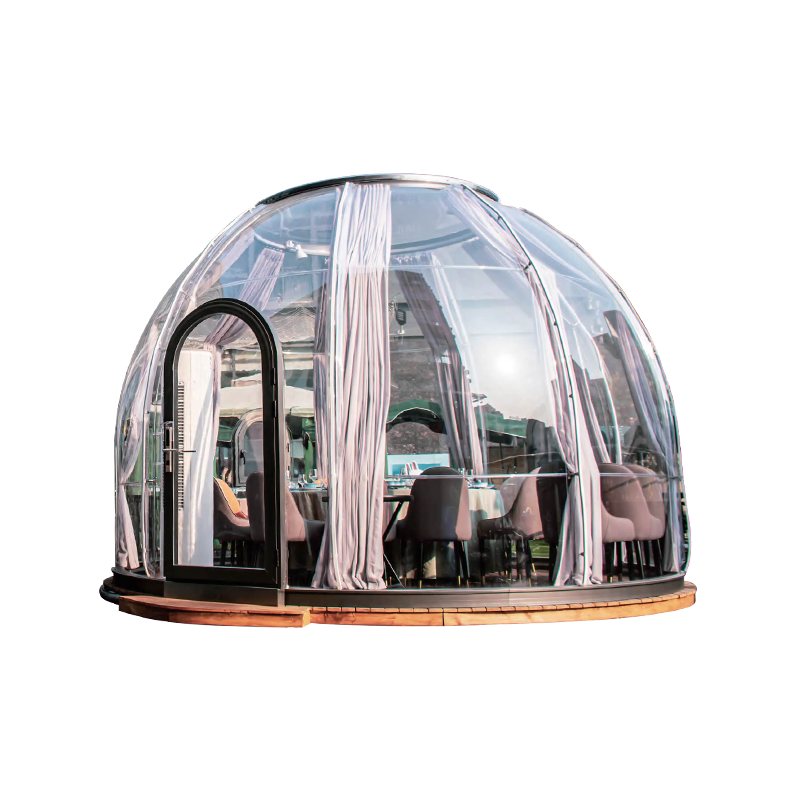 Starry Sky House
Starry sky house: 360° panoramic transparency, enjoy the romantic encounter betw...
Outdoor furniture is a bridge between nature and life, making your courtyard, balcony or garden an ideal place to relax. We select high-quality, environmentally friendly and durable materials to ensure that the furniture remains beautiful and stable in the sun and rain. Diverse design styles meet different aesthetic needs. Whether it is a metal pavilion, a warm dining table combination, or a stylish starry sky house, each product is committed to creating a comfortable and practical outdoor experience for you. Let the sun, breeze and greenery accompany you and enjoy a pleasant time.
ABOUT US
Zhejiang Jiangnan Outdoor Products Co., Ltd.
Zhejiang Jiangnan Outdoor Products Co., Ltd. is located in Jiashan, Zhejiang, one of the Yangtze River Delta integration demonstration areas. It has convenient transportation, adjacent to Shanghai and Suzhou, and within 100 kilometers of Hangzhou and Ningbo. It has an extremely special core geographical location and unique location advantages.
The company has fixed assets of 140 million yuan, more than 200 employees, and a plant area of more than 50,000 square meters. It has invested heavily in building an intelligent production line and has advanced production equipment such as laser cutting machines, laser pipe cutting machines, CNC bending machines, robot welding, laser welding, and automated spraying lines. As China Outdoor Furniture Manufacturers and Garden Furniture Factory. The company is mainly engaged in the production of outdoor furniture, office furniture (file cabinets, mobile cabinets), safes (cabinets), file compact shelving, shelves, electrical equipment and other sheet metal products.
The company has fixed assets of 140 million yuan, more than 200 employees, and a plant area of more than 50,000 square meters. It has invested heavily in building an intelligent production line and has advanced production equipment such as laser cutting machines, laser pipe cutting machines, CNC bending machines, robot welding, laser welding, and automated spraying lines. As China Outdoor Furniture Manufacturers and Garden Furniture Factory. The company is mainly engaged in the production of outdoor furniture, office furniture (file cabinets, mobile cabinets), safes (cabinets), file compact shelving, shelves, electrical equipment and other sheet metal products.
-
40+
manufacturing experience
-
50,000㎡
Production Plant
-
200+
Employees
-
140Million+
Fixed assets
Certificates
The Honor
We Have Received.
View More
We Have Received.
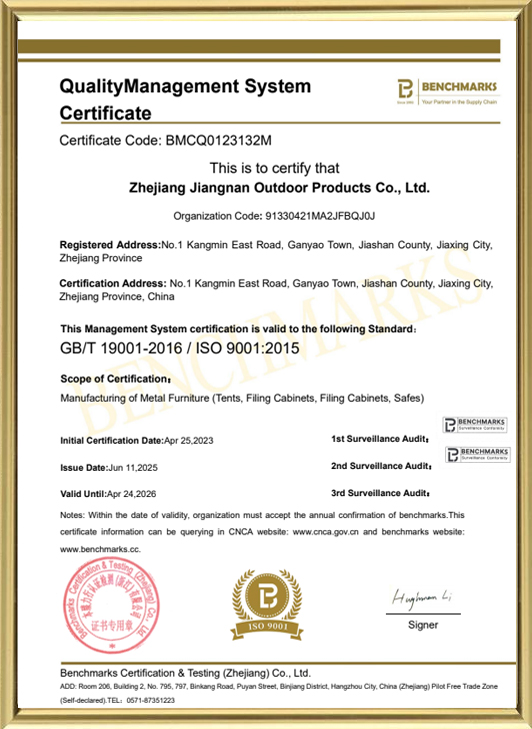
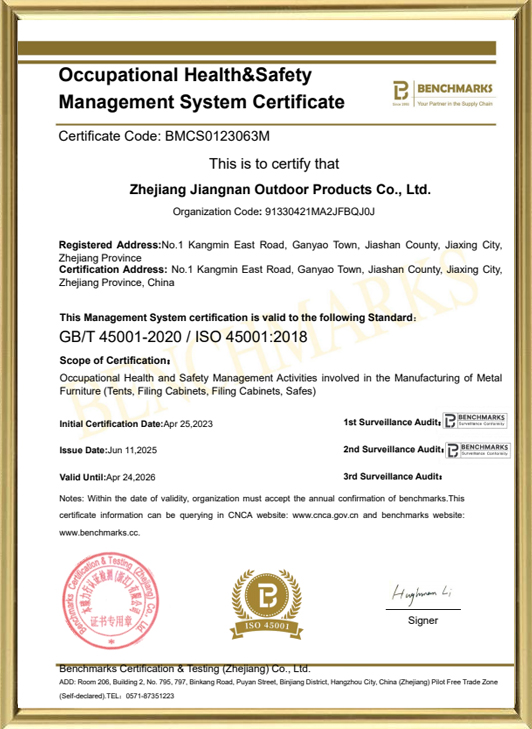
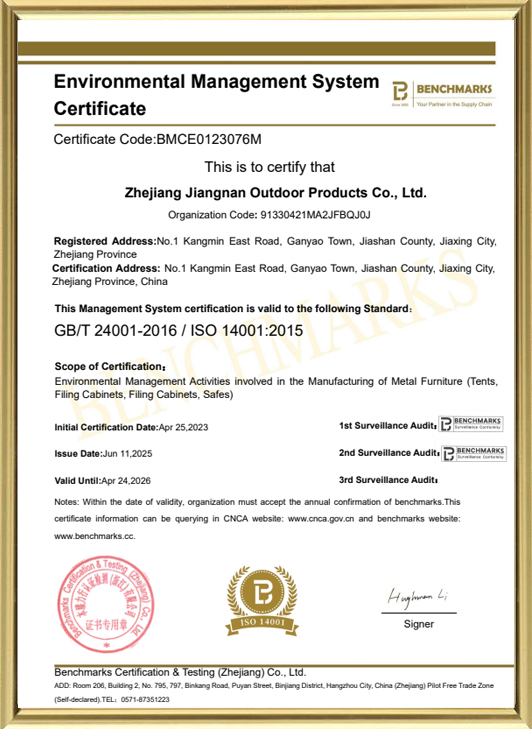
As a leading manufacturer in the Yangtze River Delta Integrated Demonstration Zone (Jiashan, Zhejiang), Jiangnan Outdoor has been awarded "National High-Tech Enterprise" and "Jiaxing Green Factory" titles, with full certifications in ISO 9001:2015, ISO 14001:2015, and ISO 45001:2018 international standards.
News
-
How Office Furniture Shapes Productivity, Health, and Culture Office furniture is no longer a background consideration in workplace planning — it is a primary lever for organizational performance, employee wellbeing, and talent retention. Research consistently demonstrates that the physical environ...
READ MORE -
Steel office furniture outperforms wood and engineered-wood alternatives on durability, security, load capacity, and long-term cost — and it does so across a wider range of environments than most buyers expect. For any office that prioritizes longevity, file security, heavy daily use, or a budget t...
READ MORE -
What a Starry Sky House Really Is — and Why People Want One A starry sky house is a dwelling — permanent or temporary — specifically designed to give occupants an unobstructed, immersive view of the night sky, typically through glass ceilings, transparent roof panels, skylights, or open-air structu...
READ MORE
Industry Knowledge
1. Material selection for longevity and low maintenance
Choosing materials is not just about initial appearance — it determines lifecycle cost, maintenance frequency, and replacement cycles. Prioritize materials with well-documented UV, salt, and abrasion resistance when designing or sourcing outdoor furniture for coastal, high-sun, or high-traffic environments.
Key practical comparisons
- Aluminum (powder-coated): Excellent corrosion resistance and light weight — ideal when rust is a concern. Use 6xxx-series alloys and specify powder coat with chromate conversion pre-treatment for longest life.
- Stainless steel (304 vs 316): 304 is fine inland; 316 is recommended for coastal salt exposure. Pay attention to weld quality and passivation after fabrication.
- Synthetic wicker (HDPE/PE rattan): Superior UV formulations and reinforced cores resist sagging — specify UV-stabilized HDPE with UV absorbers for multi-year color retention.
- Solid wood (teak, iroko): Choose quarter-sawn cuts and air-dried timber; design details that minimize water traps and allow airflow to reduce mildew risk.
2. Cushion fabrics and filling — practical choices and care
Fabric and filling choices drive perceived comfort and long-term performance. Focus on fabrics with a documented hydrostatic head, high rub count (Martindale/ Wyzenbeek), and proven bleach-fastness for contract or hospitality projects.
Quick reference: fabric types and recommended uses
| Fabric | Strengths | Care notes |
| Solution-dyed acrylic (e.g., Sunbrella) | Excellent UV & colorfastness, breathable | Spot clean; mild soap; avoid strong solvents; remove mold with diluted bleach per manufacturer instructions. |
| Polyester with PU/backing | Affordable, water-resistant if backed | Backed fabrics can trap moisture — ensure quick-dry inserts and vents in cushion covers. |
| Olefin/Polypropylene | Good stain and mildew resistance, low cost | Machine wash on gentle cycle when removable; dry quickly to prevent odor. |
3. Drainage and quick-dry strategies for cushions
Many warranty issues stem from retained water in cushions. Design and specification decisions that encourage drainage and airflow vastly improve durability and user experience.
- Use quick-dry foam (open-cell or perforated closed-cell) combined with water-repellent liners — not fully waterproof liners — to promote water escape and ventilation.
- Add hidden drainage channels or mesh bases under cushions; for seating bases, specify 5–10 mm gaps or perforations in panels where water can exit.
- Design removable covers with YKK marine-grade zippers and tie-downs so covers can be removed and dried quickly after rain.
4. Wind loads, ballast and anchoring — practical rules for patios and roof terraces
Garden furniture becomes a hazard in high wind. When planning, follow simple engineering-minded tactics: estimate uplift forces, add ballast or positive anchoring, and avoid tall unsupported canopies on exposed roofs.
Practical checklist for specification and installation
- For rooftop and exposed locations, design for minimum wind speeds per local code (e.g., 25–35 m/s in severe zones) and specify anchors or tie-down points on frames.
- Use weighted bases (concrete, steel) concealed inside planters or heavy baseplates for parasols and umbrellas; calculate ballast to exceed predicted uplift.
- Avoid hollow lightweight frames for tall elements unless they include internal ballast chambers or anchoring flanges.
5. Finishes, coatings and repair-friendly design
Finish selection affects both longevity and reparability. Favor coatings and parts that allow easy touch-ups or swap-outs rather than one-piece sealed assemblies.
Design-for-repair principles
- Use modular fastenings (bolts, captive nuts, standard screw heads) and avoid sealed weld-only joins for visible components so damaged parts can be replaced on site.
- Specify powder-coat colors with accessible touch-up kits and provide the exact RAL/Pantone + coating system (primer/topcoat) in documentation.
- For timber, design removable slats and use stainless fasteners to allow section-by-section replacement without dismantling the whole piece.
6. Shipping, packaging and return logistics for bulky outdoor living furniture
Packaging decisions affect damage rates and return costs. Consider dismantle-to-flat-pack designs, protective edge reinforcement, and clear reassembly guides to reduce field returns.
Packaging and labelling best practices
- Use foam blocks at load-bearing corners and label every carton with orientation arrows and “fragile edges” indicators. Include hardware kits in sealed bags with part numbers.
- Supply a single-sheet QR code linking to an assembly video; videos reduce incorrect assembly damage and make returns easier to diagnose.
- For direct-to-consumer, design for a one-person lift where possible and include simple protective sleeves for corners to prevent scuffs during last-mile delivery.
7. Cleaning chemicals and safe maintenance — recommended agents
Using the wrong cleaner can accelerate failure. The following table lists safe, commonly available cleaning agents and the surfaces they are suited for.
| Surface | Recommended cleaner | Avoid |
| Powder-coated aluminum | Mild detergent + soft brush; rinse thoroughly | Strong acids, abrasive pads |
| Stainless steel (316) | pH-neutral cleaner; microfiber cloth; polish with stainless polish | Chloride-based bleach without dilution, steel wool |
| Fabric covers (solution-dyed acrylic) | Mild soap, water; diluted household bleach for mold per manufacturer ratio | Solvents, strong alkalis |
8. Sustainability and circularity — actionable steps for suppliers
Sustainability statements are strongest when linked to measurable actions: recycled content percentages, take-back programs, and design-for-disassembly metrics make claims verifiable and useful for B2B buyers.
- Commit to a minimum recycled-content threshold for metals and plastics and publish a simple bill-of-materials (BOM) to facilitate downstream recycling.
- Offer documented take-back or refurbishment options with clear pricing; refurbishment intervals (e.g., re-coating every 5–7 years) extend product life and reduce waste.
- Use standard fasteners and avoid permanent adhesives for joinery where possible to aid material separation at end-of-life.
LET’S BUILD YOUR CUSTOMIZED PRODUCT

Copyright ©Zhejiang Jiangnan Outdoor Products Co., Ltd.All rights reserved.
