


 English
 中文简体
中文简体1. Material Selection and Weather Resistance in Outdoor Furniture Choosing the right material is the...
READ MOREAdding Batteries to a Solar System: A Practical Retrofit Guide for Businesses
Author: Admin
Date: Sep 09,2026
A manufacturer in eastern China installed a 200 kW rooftop solar array two years ago. The system has generated reliably, but the local utility charges steep demand fees between 17:00 and 21:00. The plant manager now wants to add battery storage to shift solar power into that evening peak. The question is not whether it can be done, but how the existing inverter defines the retrofit path. In most cases, adding batteries to a solar system is practical, though the differences in cost, efficiency, and risk are large enough to matter.
Content
- 1 Can You Add a Battery to an Existing Solar System?
- 2 AC-Coupled or DC-Coupled: Which Configuration Should You Choose?
- 3 What to Check Before Retrofitting a Battery
- 4 Battery Sizing and Storage Cabinet Selection
- 5 Cost Drivers and Procurement Risks in Battery Retrofits
- 6 Conclusion: Retrofitting Should Be Planned, Not Rushed
Can You Add a Battery to an Existing Solar System?
Most grid-tied solar systems can be upgraded with storage. The process is called a storage retrofit, and it generally uses two methods: AC coupling or DC coupling. The right choice depends on the inverter already on the roof, the string voltage, and the budget for replacing hardware. The table below gives a practical overview of the two routes.
| Feature | AC-Coupled | DC-Coupled |
|---|---|---|
| Interface point | Existing AC busbar | Before the inverter, on the DC side |
| Installation cost | Lower | Higher when the inverter must be replaced |
| Round-trip efficiency | 90% to 95% | 95% to 98% |
| Best suited for | Existing systems with standard string inverters | New hybrid inverters or battery-ready installations |
| Typical installation time | 1 to 2 days | 2 to 3 days |
When the existing system was designed as battery-ready, the retrofit is faster and less expensive. Without that preparation, an AC-coupled retrofit is usually the default. The battery charges through the AC side, so the original string wiring can stay untouched. For systems older than eight to ten years, replacing the inverter with a hybrid unit often makes more sense than forcing the old hardware to support a new storage architecture.
AC-Coupled or DC-Coupled: Which Configuration Should You Choose?
AC coupling is easier to add to an existing grid-tied system because it treats the battery as another source of power on the building side. The inverter remains the main unit that handles solar conversion, and the battery is connected through a separate bidirectional inverter. For a system with a string inverter that is still in good condition, this route has lower hardware cost and fewer interruptions to day-to-day solar production.
- AC-coupled: Uses the AC busbar; retrofit can often be completed within a day; round-trip efficiency sits between 90% and 95%.
- DC-coupled: Battery connects before the inverter; efficiency reaches 95% to 98%; requires a hybrid inverter or a dedicated charge controller.
DC coupling is more attractive when the site needs frequent cycling, or when the original inverter already needs replacement. The battery charges directly from the DC output of the solar array, which reduces the number of conversion steps. In commercial settings where the plant runs high load in the evening, a DC-coupled system delivers a larger share of the stored energy to the facility. The downside is the higher upfront cost and a more involved commissioning process.
What to Check Before Retrofitting a Battery
Before specifying equipment, record the exact inverter model, the number of MPPT inputs, the DC/AC ratio, and the firmware version. Then review the existing conductor sizes, breaker ratings, and busbar capacity. A 48 V battery bank connected to a 5 kW inverter, for example, typically requires a 100 A fuse and 35 mm² DC cable, depending on the local electrical code.
- Verify that the utility interconnection agreement allows battery export or backup operation.
- Confirm the battery chemistry. Lithium iron phosphate is a stable choice for daily cycling, while flooded lead-acid batteries are not recommended for frequent deep discharge.
- Check the communication protocol between the battery management system and the inverter. A mismatch here is the most common cause of retrofit failure.
One way to reduce that risk is to look for verified environmental manufacturing evidence. The manufacturer has earned an official certification as a green factory, which documents energy reporting and environmental control systems.
For a smaller commercial site operating a compact backup block, a 49 kW liquid-cooled enclosure represents a practical capacity stage.
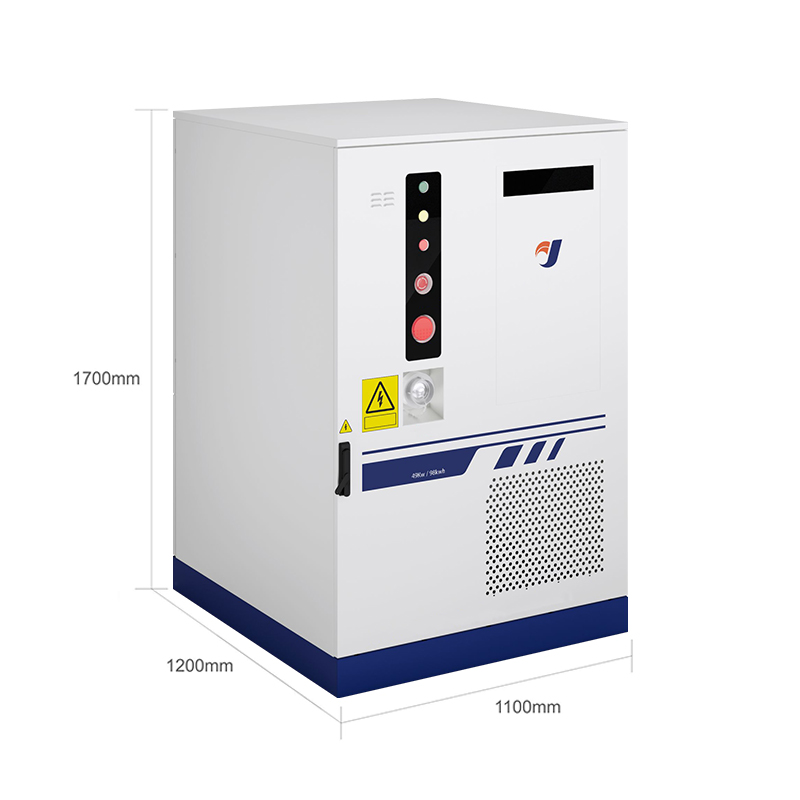 49 kW Liquid-Cooled Energy Storage Cabinet for Compact Commercial BackupThis liquid-cooled enclosure offers a practical capacity stage for smaller commercial sites, with a compact footprint that suits warm plant rooms where air cooling would require extra ducting and maintenance.View Product →
The liquid-cooled design keeps the cabinet footprint manageable even in warm plant rooms, where air cooling might otherwise require extra ducting or maintenance access.
Battery Sizing and Storage Cabinet Selection
Battery capacity is calculated from the target load, the backup duration, the system efficiency, and the depth of discharge. The formula is simple: required capacity equals load in kilowatts multiplied by the backup hours, divided by the round-trip efficiency and the discharge depth. For a 20 kW load running for four hours, a 95% efficiency and 80% discharge depth gives a required capacity of roughly 105 kWh.
| Parameter | 49 kW Liquid-Cooled | 125 kW Liquid-Cooled | 100 kW Wind-Integrated |
|---|---|---|---|
| Rated power | 49 kW | 125 kW | 100 kW |
| Cooling method | Liquid | Liquid | Site-specific |
| Typical application | Compact backup for small commercial facilities | Peak shaving in industrial plants | Solar-wind hybrid grid support |
For a manufacturing facility with high evening demand, the 125 kW liquid-cooled storage cabinet offers a larger dispatchable block.
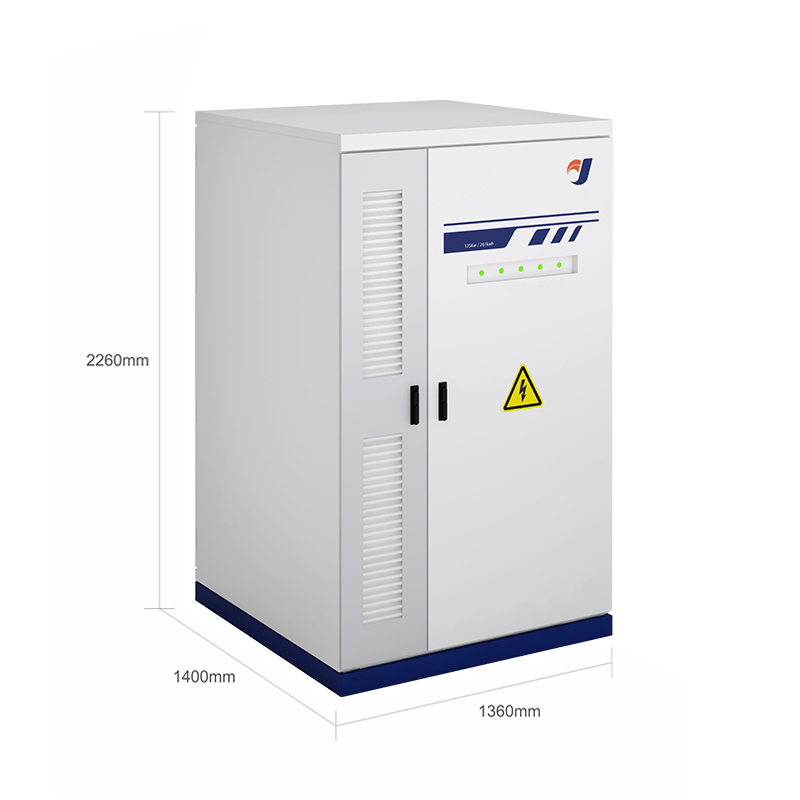 125 kW Liquid-Cooled Storage Cabinet for High Evening DemandSized for manufacturing facilities with evening demand spikes, this cabinet provides a larger dispatchable block and pairs well with solar arrays to smooth variable output and improve grid stability.View Product →
When the site also has variable production from wind or a hybrid generation mix, a larger cabinet can be paired with the existing solar array to smooth fluctuating output and improve grid stability.
Cost Drivers and Procurement Risks in Battery Retrofits
Equipment cost is the dominant line item in a retrofit. A fully installed residential retrofit typically ranges from $10,000 to $30,000, while commercial projects benefit from lower per-kWh figures but not always proportionally. Additional expenses include permits, cable and switchgear upgrades, communication gateways, and commissioning labor.
The biggest financial risk is choosing the wrong coupling method. A DC-coupled retrofit can require a new hybrid inverter, which adds several thousand dollars. An undersized battery will discharge too quickly during the evening peak, while an oversized DC bus can stress the inverter and shorten its service life. Thermal design is another hidden risk. Batteries that sit in a hot enclosure lose capacity and cycle life.
For solar-wind hybrid sites, the 100 kW wind energy storage cabinet from the same manufacturer can be combined with rooftop arrays to support peak shaving.
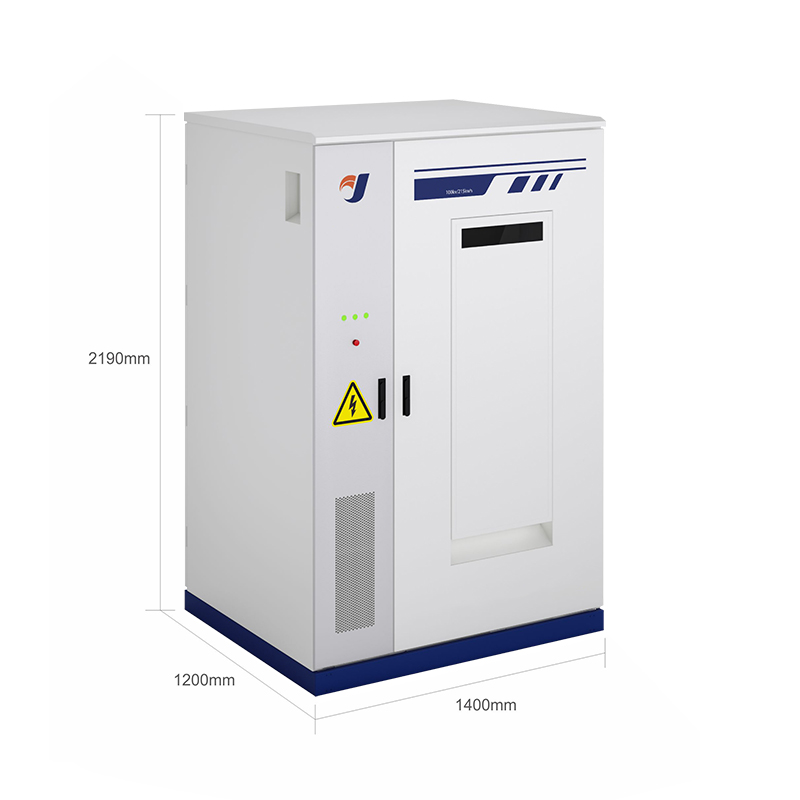 100 kW Air-Cooled Wind Energy Storage Cabinet for Hybrid SitesDesigned for solar-wind hybrid installations, this cabinet supports peak shaving when combined with rooftop arrays, but requires site survey and documented specifications before purchase to ensure controlled integration.View Product →
Before purchase, require a site survey, a written specification of voltage and communication protocol, and a performance test after commissioning. These steps convert what looks like a simple retrofit into a controlled engineering process.
Conclusion: Retrofitting Should Be Planned, Not Rushed
Adding batteries to a solar system is no longer a frontier project. The main variables are inverter compatibility, coupling choice, sizing accuracy, and thermal management. A site survey that records these details will avoid costly surprises. Work with a manufacturer who understands the full chain from cabinet construction to utility interaction, and plan the retrofit around the actual load curve. With that approach, the storage asset will pay back through lower demand charges and better use of the existing solar array.

Contact Us Now
News
LET’S BUILD YOUR CUSTOMIZED PRODUCT

Copyright ©Zhejiang Jiangnan Outdoor Products Co., Ltd.All rights reserved.
