


 English
 中文简体
中文简体1. Material Selection and Weather Resistance in Outdoor Furniture Choosing the right material is the...
READ MOREEnergy Storage Cabinets: Safety, Design & Performance Guide
Author: Admin
Date: Feb 28,2026
Content
The Critical Role of Energy Storage Enclosures
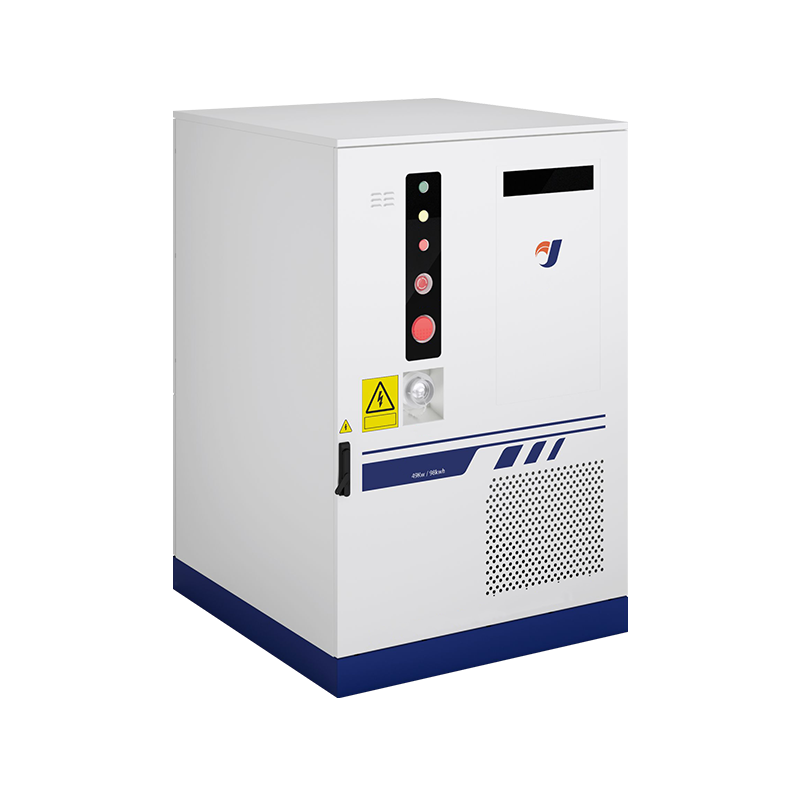
An energy storage cabinet is the fundamental safeguard for modern battery systems, providing the essential structural integrity, thermal regulation, and fire protection required for safe operation. High-quality enclosures can reduce the risk of thermal runaway propagation by up to 90% compared to unprotected battery racks, ensuring both asset longevity and personnel safety [[1]]. Whether for residential solar integration or utility-scale grid balancing, the enclosure is not merely a container but an active component of the energy management system. Selecting the right energy storage enclosure directly impacts system efficiency, with proper thermal design capable of extending battery cycle life by 20% to 30% through consistent temperature maintenance [[4]].
Safety Standards and Fire Protection Protocols
The primary function of any energy storage cabinet is to mitigate hazards associated with lithium-ion chemistry. As battery densities increase, the need for robust containment strategies becomes paramount to prevent catastrophic failures.
Compliance and Certification Requirements
Modern enclosures must adhere to rigorous international standards such as UL 9540 for system safety and UL 7628 specifically for enclosure construction. These standards mandate that cabinets withstand internal explosions and prevent fire from spreading to adjacent units. Cabinets rated IP54 or higher are now industry standard for outdoor deployments, ensuring protection against dust ingress and water splashes which could cause short circuits [[2]].
Advanced designs incorporate automatic fire suppression systems, such as aerosol or gas-based agents, triggered by onboard sensors. Data shows that integrated suppression within the enclosure can control a cell-level incident in under 10 seconds, preventing escalation to a full-module fire [[5]].
| Standard/Rating | Function | Typical Application |
|---|---|---|
| UL 9540 | System-level fire safety | All stationary installations |
| IP54 / IP65 | Dust and water resistance | Outdoor and industrial sites |
| NEMA 3R | Rain and sleet protection | North American outdoor use |
| IEC 62477-1 | Power converter safety | Integrated inverter cabinets |
Thermal Management and Climate Control
Maintaining optimal operating temperatures is critical for battery performance and lifespan. Energy storage cabinets employ sophisticated thermal management systems to keep cells within their ideal range, typically between 15°C and 35°C.
Active vs. Passive Cooling Strategies
Passive cooling relies on natural convection and heat sinks, suitable for mild climates and lower power densities. However, for high-capacity commercial systems, active liquid cooling or HVAC-integrated cabinets are necessary. These systems can maintain temperature uniformity within ±2°C across all battery modules, preventing hot spots that accelerate degradation [[3]].
In cold environments, enclosures equipped with internal heaters prevent capacity loss and charging issues. Properly insulated cabinets reduce heating energy consumption by up to 40% compared to non-insulated counterparts, ensuring net energy gain remains high even in extreme weather conditions.
Material Durability and Environmental Resistance
The physical construction of an energy storage enclosure determines its resilience against environmental stressors. Manufacturers utilize advanced materials to ensure decades of reliable service in harsh conditions.
Construction Materials and Coatings
Galvanized Steel (SGCC):** The most common choice for commercial cabinets, offering high mechanical strength and fire resistance. When coated with C5-M class anti-corrosion paint, these units can withstand saline coastal environments for over 20 years without significant rusting [[6]].
Aluminum Alloys:** Preferred for residential applications due to their lighter weight and natural corrosion resistance. Aluminum enclosures dissipate heat more efficiently than steel but may require additional reinforcement for large-scale deployments.
Composite Materials:** Emerging fiberglass-reinforced plastic (FRP) cabinets offer superior dielectric properties and zero corrosion risk. While currently more expensive, they are gaining traction in highly corrosive industrial zones where metal maintenance is prohibitive.
Scalability and Modular Design Trends
As energy demands fluctuate, the ability to scale storage capacity without replacing infrastructure is vital. Modern energy storage cabinets are increasingly designed with modularity at their core.
Flexible Deployment Architectures
Modular rack-based cabinets allow users to add battery strings incrementally. Stackable designs can increase capacity by 50% to 200% within the same footprint, optimizing land use for utility projects. Furthermore, standardized form factors enable "plug-and-play" installation, reducing deployment time by 30% to 50% compared to custom-built solutions [[7]].
- Side-by-Side Expansion: Cabinets feature removable side panels to link multiple units seamlessly for larger banks.
- Pre-wired Interconnects: Internal busbars and connectors are pre-installed to minimize on-site electrical labor and error risks.
- Smart Monitoring Integration: Built-in BMS (Battery Management System) gateways allow real-time data tracking for each modular unit.
Investing in scalable energy storage enclosures future-proofs assets, allowing facilities to adapt to evolving energy tariffs and renewable generation profiles without costly retrofits.

Contact Us Now
News
LET’S BUILD YOUR CUSTOMIZED PRODUCT

Copyright ©Zhejiang Jiangnan Outdoor Products Co., Ltd.All rights reserved.
