


 English
 中文简体
中文简体1. Material Selection and Weather Resistance in Outdoor Furniture Choosing the right material is the...
READ MOREEnergy Storage System (ESS): How It Works, Main Types, and Buying Considerations
Author: Admin
Date: Aug 24,2026
A commercial building with a 200 kW rooftop solar array faces an awkward arithmetic problem. The panels produce the most electricity around midday, yet the building's demand peaks in the late afternoon. Surplus solar energy flows to the grid at wholesale prices, and the building later buys that same energy back at retail rates. An energy storage system (ESS) closes this loop by charging during low-cost or high-generation periods and discharging when loads and electricity prices rise. This article explains what an ESS is, how it works, which technologies dominate the market, and the practical checks that separate a sound investment from an expensive mistake.
Content
What Is an Energy Storage System (ESS)?
An energy storage system is an integrated set of hardware and software that captures electrical energy when it is available or inexpensive and releases it when it is needed. At a minimum, an ESS consists of battery modules, a battery management system (BMS), a power conversion system (PCS), an energy management system (EMS), thermal management, and a protective enclosure. The combination determines how much power the system can deliver, how long it can sustain that output, and how safely it operates over its lifetime.
An ESS is specified by two numbers: power, measured in kilowatts (kW), and energy capacity, measured in kilowatt-hours (kWh). Power is the maximum rate of supply, while capacity is the total amount of stored electricity. A 125 kW system with 500 kWh of capacity can deliver 125 kW for four hours before recharging. Matching both numbers to your actual load profile is the first step in sizing a system correctly.
How an ESS Works: Key Components
Understanding the components helps you compare products from different vendors and avoids surprises during installation and operation.
- Battery modules. The electrochemical core of the system. Lithium iron phosphate (LFP) is the most common choice for stationary storage because of its thermal stability, long cycle life, and lower fire risk than older chemistries.
- Battery management system (BMS). Monitors voltage, current, and temperature across every cell. It balances cells and disconnects the system when any reading falls outside a safe range.
- Power conversion system (PCS). Converts DC power from the battery into AC power for the building or grid, and converts AC back to DC during charging.
- Energy management system (EMS). The control layer that decides when to charge and discharge. It uses time-of-use tariffs, solar generation data, load forecasts, and grid signals to maximize savings.
- Thermal management. Battery output and lifespan depend strongly on temperature. Liquid cooling keeps cell temperature more uniform than air cooling, which is why it appears in most large-capacity cabinets.
- Enclosure. The steel housing that protects the internal components from rain, dust, corrosion, and mechanical impact. Its design affects heat dissipation, service access, and safety.
Main Types of Energy Storage Systems
Different storage technologies serve different niches. The table below compares the options most relevant to commercial, industrial, and utility buyers.
| Technology | Energy carrier | Typical discharge duration | Cycle life | Best suited for |
|---|---|---|---|---|
| Lithium-ion (LFP) | Electrochemical | 1 to 4 hours | 4,000 to 10,000 cycles | Commercial, industrial, and grid-scale storage |
| Flow battery | Liquid electrolyte | 4 to 12 hours | 10,000+ cycles | Long-duration storage with high throughput |
| Pumped hydro | Water elevation | 8 to 16 hours | 50+ years | Utility-scale, long-duration storage |
| Flywheel | Kinetic energy | Seconds to minutes | 100,000+ cycles | Power quality and frequency regulation |
| Compressed air | Pressurized air | 4 to 24 hours | 20 to 40 years | Utility-scale, long-duration storage |
For most commercial and industrial projects, lithium-ion battery ESS offers the best balance of cost, efficiency, and footprint, with a typical round-trip loss of 10 to 15 percent. Flow batteries remain a niche choice when the site needs many hours of discharge and very high cycle life. Pumped hydro and compressed air are utility-scale options and are rarely practical for a single facility.
Where an ESS Delivers the Most Value
Not every site needs an ESS, but a few applications offer a clear and measurable payback.
- Renewable self-consumption. Store excess solar or wind generation and use it when generation drops, reducing the amount of electricity bought at retail rates.
- Peak demand reduction. Charge during off-peak hours and discharge during demand peaks, lowering the demand charges that often dominate commercial utility bills.
- Backup power. Keep lighting, refrigeration, security, or production equipment running through short outages.
- Grid services. Fast response allows an ESS to participate in frequency regulation or demand response programs where they are available.
- Off-grid and weak-grid sites. An ESS stabilizes voltage and frequency in locations where the grid is unreliable or absent.
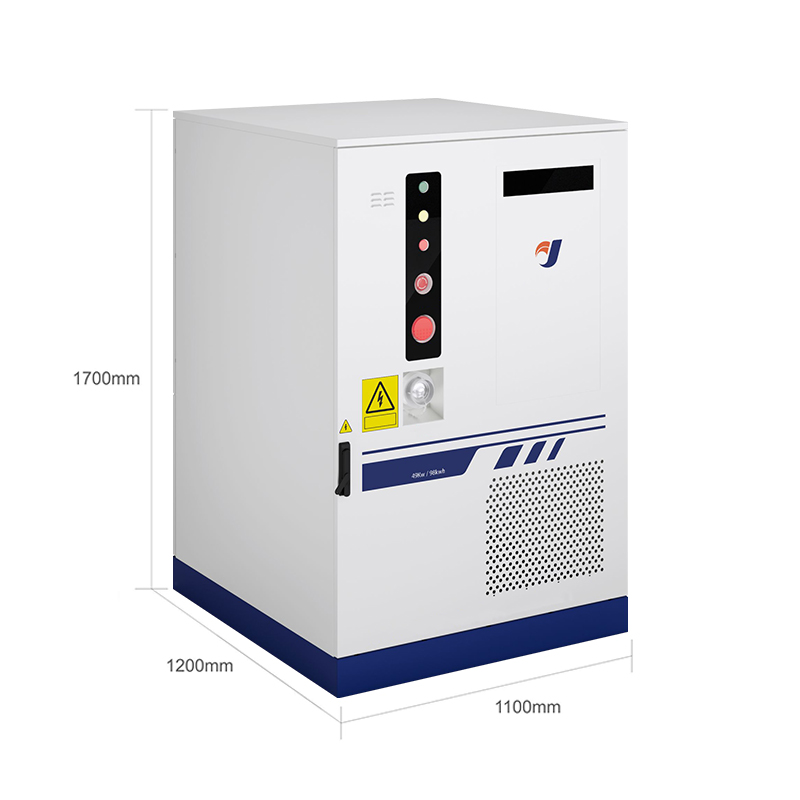
For a commercial site, the strongest business case is usually a combination of renewable self-consumption and peak demand reduction, because both appear directly in the utility bill. A 49 kW liquid-cooled energy storage cabinet is a compact starting point for a mid-sized commercial facility that already operates solar panels.
 Energy Storage CabinetEnergy Storage Cabin...View Product →
What to Evaluate Before Buying an ESS
Price is only one part of the decision. The checks below separate a durable system from a long-term maintenance burden.
- Round-trip efficiency. Most quality lithium-ion systems deliver 85 to 95 percent round-trip efficiency. Lower values mean higher operating losses over the life of the system.
- Cycle life and depth of discharge. A battery rated for 6,000 cycles at 80 percent depth of discharge will outlast one rated for 4,000 cycles under the same conditions. Compare full specifications, not just nominal capacity.
- Warranty terms. Look for a warranty that covers both time and energy throughput. Some warranties exclude failure modes that are common in poorly built cabinets.
- Thermal management. Liquid-cooled systems keep a more even temperature across the cells, extending battery life and allowing higher continuous output. Air cooling is simpler but less effective in hot climates.
- Enclosure and protection rating. Outdoor installations need a high IP rating, corrosion-resistant materials, and a cabinet design that handles internal heat and potential off-gassing.
- Scalability. A modular design allows you to add capacity later without replacing the PCS or the enclosure.
- Compliance and certification. Verify that the system meets the electrical codes and standards applicable in your region, including battery transport and installation requirements.
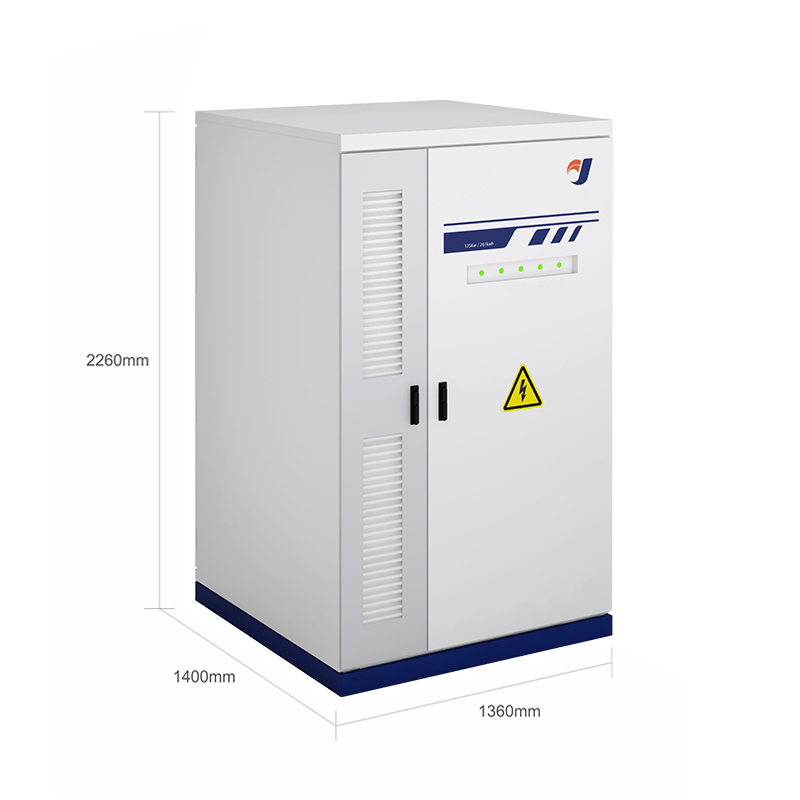
For larger industrial loads, a 125 kW liquid-cooled energy storage system provides additional headroom for manufacturing lines, warehouses, or buildings with heavy HVAC loads.
 Energy Storage CabinetEnergy Storage Cabin...View Product →
Why the Enclosure Is a Performance Component, Not a Box
The metal cabinet that houses an ESS is frequently undervalued, and that is a mistake. The enclosure determines how well the system survives heat, humidity, salt air, and rain. It affects how heat moves in and out, how easily technicians reach the interior, and how the structure behaves during an electrical fault. A poorly fabricated cabinet admits moisture, corrodes at the seams, and creates hot spots around the battery packs. A well-fabricated cabinet keeps the internal environment stable for ten years or more.
The difference comes down to manufacturing discipline: consistent welding, accurate laser cutting, and a powder-coat finish that resists corrosion and chipping. Sheet metal manufacturing experience translates directly into enclosure quality, which is why buyers should ask who built the steel cabinet, not only who supplied the cells. The same fabrication team that builds the enclosure should also understand how cables enter the cabinet, how doors seal, and how panels can be removed for maintenance.
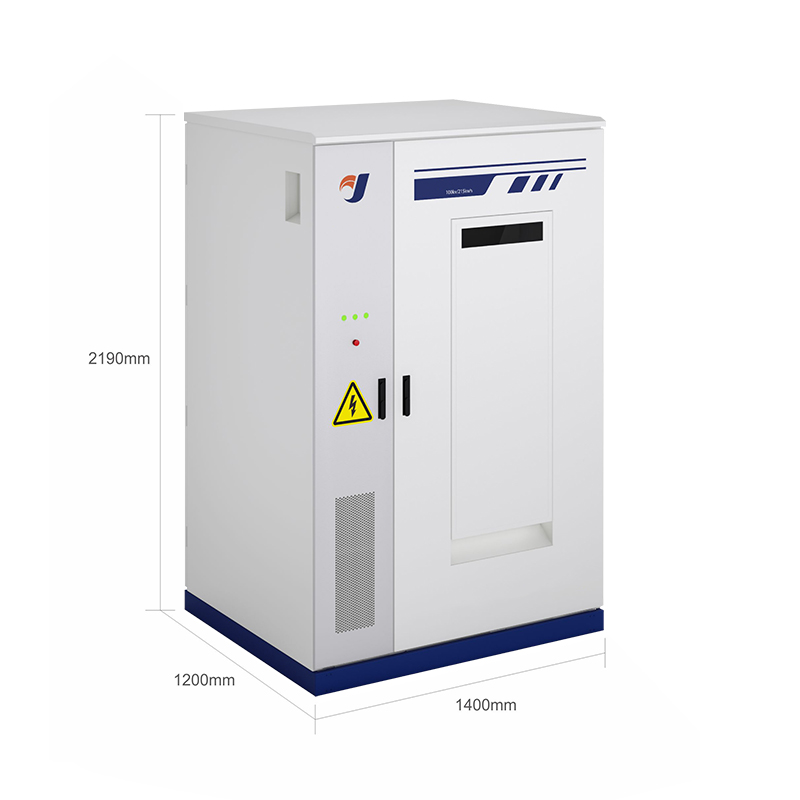
For renewable projects where wind is the primary energy source, a 100 kW wind energy storage system matches the fluctuating output profile of wind turbines. The enclosure requirements are the same: the cabinet must keep moisture out, maintain a stable internal temperature, and survive years of outdoor service.
 Energy Storage CabinetEnergy Storage Cabin...View Product →
An ESS is a system purchase, not a component purchase. The battery chemistry, power conversion, thermal management, software controls, and the steel enclosure must work as one unit. The fastest way to reduce procurement risk is to start with a clear load profile, compare the specifications above, and treat the enclosure as a performance component. A manufacturer with documented quality and environmental standards, such as the green factory recognition earned by this production facility, is more likely to deliver a system that performs as rated over its full service life.

Contact Us Now
News
LET’S BUILD YOUR CUSTOMIZED PRODUCT

Copyright ©Zhejiang Jiangnan Outdoor Products Co., Ltd.All rights reserved.
