


 English
 中文简体
中文简体1. Material Selection and Weather Resistance in Outdoor Furniture Choosing the right material is the...
READ MOREMetal Auxiliary Cabinet: Durable Storage for Industrial Spaces
Author: Admin
Date: Feb 09,2026
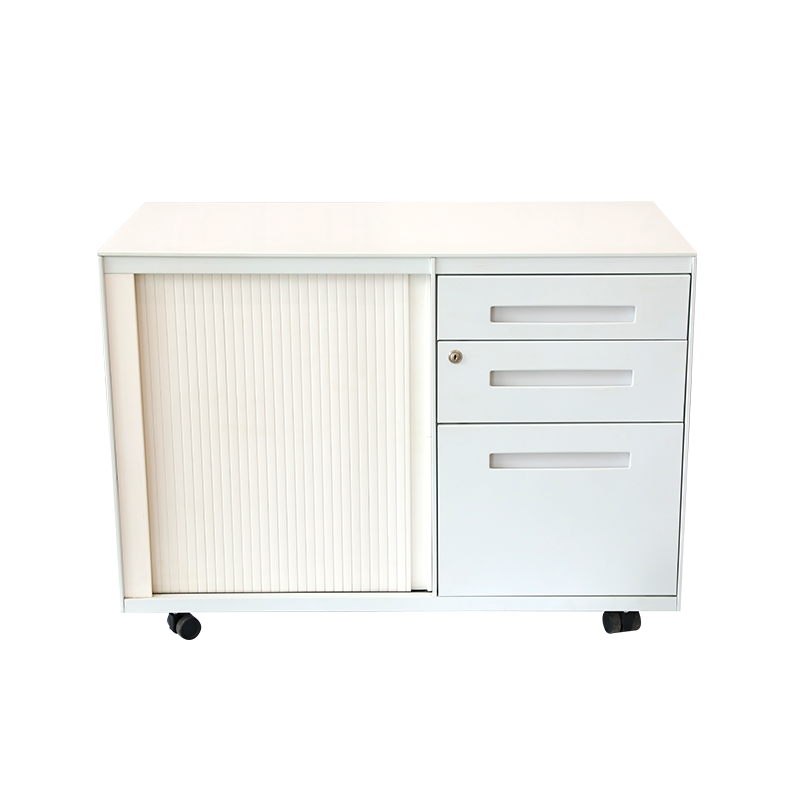
A metal auxiliary cabinet is a durable, space-efficient storage unit designed to support main equipment, workstations, or control systems by providing organized and secure auxiliary storage. It is commonly used in industrial, commercial, and technical environments where strength, stability, and long service life are required.
Compared with wooden or plastic cabinets, metal auxiliary cabinets offer superior load-bearing capacity, fire resistance, and structural reliability. The following sections explain their construction, performance advantages, application scenarios, and practical selection considerations in detail.
Content
- 1 Structural Design and Material Composition
- 2 Load Capacity and Practical Storage Performance
- 3 Common Application Scenarios
- 4 Comparison with Other Cabinet Materials
- 5 Security and Access Control Options
- 6 Customization and Modular Design
- 7 Maintenance and Long-Term Cost Efficiency
- 8 Why Metal Auxiliary Cabinets Are a Reliable Choice
Structural Design and Material Composition
Metal auxiliary cabinets are typically manufactured from cold-rolled steel sheets with thicknesses ranging from 0.8 mm to 1.5 mm. This thickness range ensures sufficient rigidity while keeping the overall cabinet weight manageable for installation and relocation.
The cabinet body is usually formed through bending and welding processes, creating a rigid frame that resists deformation under heavy loads. Reinforced corners and internal ribs further enhance structural strength.
Surface Treatment and Corrosion Protection
To extend service life, metal auxiliary cabinets are often treated with electrostatic powder coating or galvanized finishes. These treatments provide resistance against moisture, chemicals, and scratches, making the cabinets suitable for workshops and factory floors.
Load Capacity and Practical Storage Performance
One of the main advantages of a metal auxiliary cabinet is its high load-bearing capability. Standard shelves can typically support 50–80 kg per layer, depending on shelf design and steel thickness.
This allows the cabinet to store tools, spare parts, documents, or electronic components without bending or instability, even during long-term use.
- Stable storage for heavy equipment accessories
- Reduced risk of shelf collapse
- Consistent performance under frequent access
Common Application Scenarios
Metal auxiliary cabinets are widely used as supplementary storage units alongside main systems or work areas. Their compact footprint allows efficient use of available space without interfering with primary operations.
Typical application environments include:
- Industrial workshops and production lines
- Electrical control rooms and server rooms
- Laboratories and maintenance departments
Comparison with Other Cabinet Materials
When compared to wooden or plastic cabinets, metal auxiliary cabinets offer superior durability and safety. Although the initial cost may be slightly higher, the long-term value is significantly better due to reduced replacement frequency.
| Material | Durability | Load Capacity | Fire Resistance |
|---|---|---|---|
| Metal | High | High | Excellent |
| Wood | Medium | Medium | Low |
Security and Access Control Options
Metal auxiliary cabinets often include lockable doors to protect valuable tools or sensitive documents. Common locking mechanisms include key locks, cam locks, and combination locks.
In technical environments, lockable cabinets help prevent unauthorized access and reduce the risk of equipment loss or misuse.
Customization and Modular Design
Many metal auxiliary cabinets are designed with adjustable shelves, removable panels, and modular dimensions. This allows users to configure internal layouts based on specific storage needs.
Customization options often include cabinet height, shelf spacing, door type, and ventilation holes for equipment requiring airflow.
Maintenance and Long-Term Cost Efficiency
Metal auxiliary cabinets require minimal maintenance. Routine cleaning and occasional inspection of hinges and locks are usually sufficient to keep them in good working condition.
Thanks to their robust construction, these cabinets often remain functional for 15–20 years, significantly lowering the total cost of ownership compared to less durable alternatives.
Why Metal Auxiliary Cabinets Are a Reliable Choice
Metal auxiliary cabinets combine strength, safety, and practical design, making them an essential support component in demanding work environments. Their ability to handle heavy loads while maintaining structural integrity ensures reliable daily operation.
For users seeking long-lasting, secure, and efficient auxiliary storage, metal auxiliary cabinets provide a proven and dependable solution.

Contact Us Now
News
LET’S BUILD YOUR CUSTOMIZED PRODUCT

Copyright ©Zhejiang Jiangnan Outdoor Products Co., Ltd.All rights reserved.
