


 English
 中文简体
中文简体1. Material Selection and Weather Resistance in Outdoor Furniture Choosing the right material is the...
READ MOREMetal vs Wood Filing Cabinets: Which Is Better for Your Office?
Author: Admin
Date: Aug 11,2026
Content
Direct Verdict: Performance Versus Aesthetics
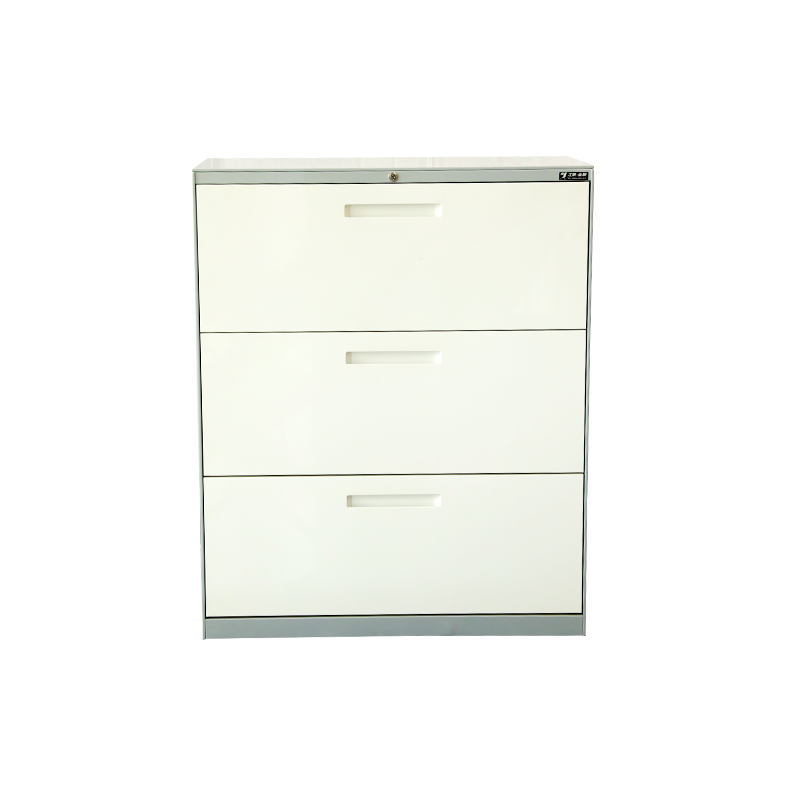
Metal filing cabinets are functionally superior to wood for high-volume document storage, security, and long-term durability, while wood cabinets excel in executive aesthetics and acoustic dampening. For pure utility, steel filing cabinets typically last 20–30 years compared to 10–15 years for wood laminate equivalents, and they offer inherent fire resistance that wood cannot match. However, wood or wood-veneer cabinets remain the preferred choice for client-facing offices where visual warmth and furniture-grade styling outweigh raw storage performance. The decision ultimately hinges on whether the primary need is archival-grade protection (metal) or integrated interior design (wood).
Durability and Load-Bearing Capacity
Steel filing cabinets significantly outperform wood in structural integrity under heavy loads. Commercial-grade metal drawers are engineered to support 75–150 pounds of paper per drawer without sagging, warping, or track failure. In contrast, particleboard or MDF wood cabinets often max out at 40–60 pounds before drawer bottoms bow or side panels delaminate. Steel’s dimensional stability also prevents seasonal swelling or shrinking that causes wooden drawers to stick in humid environments. Powder-coated steel resists scratches, dents, and chemical cleaners far better than wood veneers or laminates, which chip easily and require specialized maintenance to preserve finish integrity.
Security Features and Fire Protection
For sensitive records, metal cabinets provide critical safeguards unavailable in standard wood construction.
- Locking Mechanisms: Metal cabinets integrate central locking bars with hardened steel strike plates; wood cabinets rely on surface-mounted locks vulnerable to prying or forced entry.
- Fire Ratings: UL-classified insulated steel cabinets protect paper documents for 1–2 hours at 1700°F; wood ignites at approximately 575°F and offers no certified fire barrier.
- Tamper Evidence: Steel construction shows visible deformation when breached; wood can be drilled or pried with minimal external damage, compromising audit trails.
- Water Resistance: Sealed steel units resist water intrusion during sprinkler activation; wood absorbs moisture rapidly, causing irreversible swelling and mold growth within hours.
Regulated industries (healthcare, legal, finance) often mandate metal storage for compliance with HIPAA, GDPR, or state record retention laws. Wood cabinets rarely meet these standards without costly aftermarket modifications.
Cost Analysis and Lifecycle Value
Initial price differences between metal and wood are less significant than total cost of ownership over a decade. The following table breaks down key financial and operational factors:
| Factor | Commercial Steel Cabinet | Wood Laminate/Veneer Cabinet |
|---|---|---|
| Average Purchase Price (4-drawer) | $350 – $600 | $400 – $900 |
| Expected Lifespan | 20–30 years | 10–15 years |
| Maintenance Costs | Negligible | Moderate (refinishing, hardware replacement) |
| Resale/Refurbishment Value | High (repaintable, parts available) | Low (style-dependent, hard to repair) |
| Weight Capacity Per Drawer | 75–150 lbs | 40–60 lbs |
While premium solid-wood cabinets can exceed $1,500, they serve as decorative furniture rather than utilitarian storage. Mid-tier wood laminate units often cost more than comparable steel yet deliver inferior performance. Over a 10-year horizon, steel typically offers 40–60% lower total cost per year of service when factoring replacement cycles and downtime from failures.
Aesthetic Integration and Acoustic Considerations
Wood cabinets hold distinct advantages in environments where visual harmony and sound management matter. Natural wood grain or high-pressure laminate finishes coordinate with desks, bookcases, and conference tables to create cohesive office aesthetics that sterile metal cannot replicate. Wood also absorbs ambient noise and reduces echo in open-plan spaces, whereas steel reflects sound and amplifies drawer operation noise. For executive suites, law firm libraries, or boutique professional offices, wood-veneer filing cabinets signal professionalism and attention to detail. Hybrid solutions exist: steel-core cabinets wrapped in real wood veneer combine structural strength with premium appearance, though at a 30–50% price premium over plain steel. Always specify acoustic gaskets and soft-close slides if selecting metal for quiet-sensitive areas like therapy rooms or recording studios.

Contact Us Now
News
LET’S BUILD YOUR CUSTOMIZED PRODUCT

Copyright ©Zhejiang Jiangnan Outdoor Products Co., Ltd.All rights reserved.
